
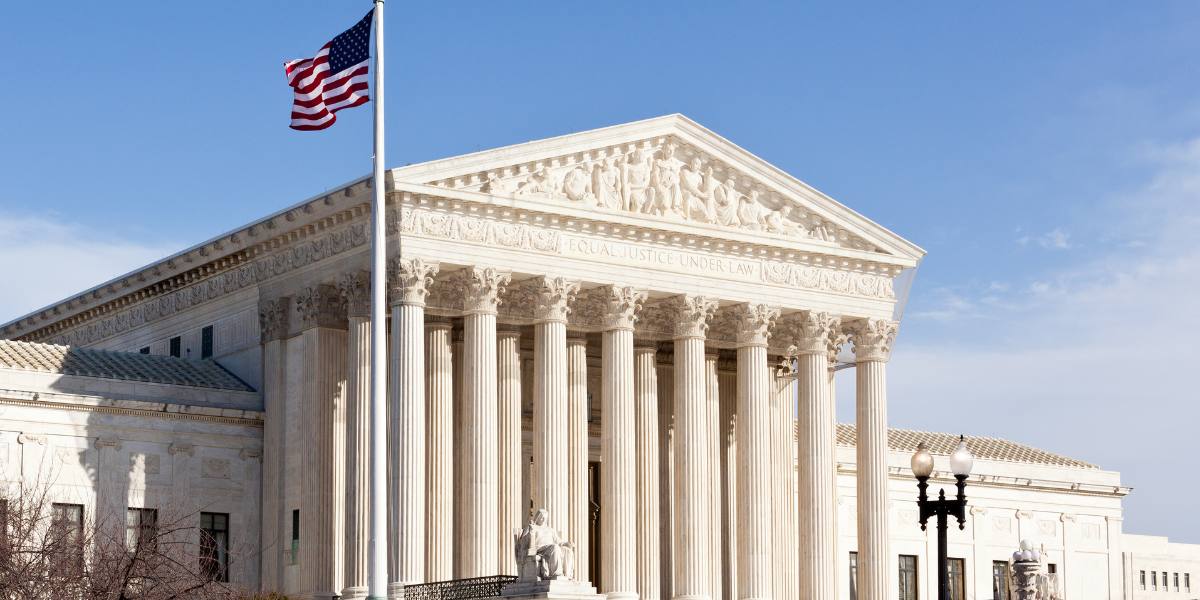
On this date, significant developments in the American legal landscape reflect both ongoing litigation in federal courts and important decisions from the Supreme Court that will shape procedural standards and constitutional interpretation across a broad range of legal issues.
Federal Appeals Court Upholds Injunction Against Broad Federal Funding Freeze
In a key administrative law decision published today, the U.S. Court of Appeals for the First Circuit largely upheld a lower federal court’s injunction blocking a sweeping freeze on federal financial assistance initiated under executive policy. The appellate panel sustained the injunction, concluding that the Office of Management and Budget (OMB) did not properly account for how state and local governments rely on the impacted funds. The decision affirms the district court’s direction that agencies comply with existing statutory obligations regarding federal program funding, underscoring procedural safeguards that govern federal fiscal actions.
The ruling also rejected a lower‑court order requiring direct payments to states, citing Supreme Court precedent limiting the jurisdiction of district courts to award monetary relief in certain contexts. By doing so, the appeals court clarified the interplay between injunctive relief and monetary remedies within federal administrative actions.
Supreme Court Agrees to Review Key Cases Involving Temporary Protected Status
Also today, the **U.S. Supreme Court announced that it will hear arguments on whether the Department of Homeland Security (DHS) lawfully revoked Temporary Protected Status (TPS) for nationals of Haiti and Syria. TPS provides work authorization and protection from deportation for people from countries facing severe crises.
Lower courts have blocked the termination of these protections, concluding that procedural and substantive legal requirements were not met. The Supreme Court’s decision to grant review will determine whether courts may examine DHS decisions that terminate TPS designations and will likely affect hundreds of thousands of individuals currently residing and working in the U.S. under these protections. Arguments are set for April 2026, and observers expect a ruling later in the Court’s current term.
Supreme Court’s Recent Rulings Affirm Constitutional Limits on Retroactive Punishment
In a noteworthy constitutional decision issued earlier in 2026, the Supreme Court unanimously held in Ellingburg v. United States that restitution ordered under the Mandatory Victims Restitution Act of 1996 is part of criminal punishment and therefore cannot be applied retroactively in violation of the Constitution’s Ex Post Facto Clause. This ruling clarifies that financial restitution under the Act constitutes punitive consequences subject to constitutional safeguards, particularly where the statute was enacted after the offense.
The decision, written by Justice Kavanaugh and joined by all participating justices, underscores the Supreme Court’s role in interpreting limitations on legislative and executive action that affects fundamental criminal procedure rights and the retroactive application of penalties.
Circuit Courts Processing Significant Civil and Employment Cases
On March 17, the United States Court of Appeals for the Fourth Circuit convened to consider a wide range of briefs involving civil rights, employment, contract law, and statutes governing work environments, such as the Employee Retirement Income Security Act (ERISA) and the WARN Act. Cases before the court this week include challenges to hostile work environment claims under 42 U.S.C. § 1981 and disputes over contract and unjust‑enrichment claims. Such appellate activity underscores the ongoing workload of federal courts in shaping legal precedents across diverse areas of civil litigation.
Trade Litigation Highlights Tariff Law Challenges in International Commerce
In the U.S. Court of International Trade, Nintendo of America, Inc. v. U.S. Department of the Treasury represents a high‑profile corporate case in which a major multinational is seeking refunds, with interest, of tariffs imposed under the International Emergency Economic Powers Act (IEEPA). The suit argues that these tariffs were not lawfully authorized, following a Supreme Court ruling that questioned the scope of IEEPA authority. This litigation highlights complex interactions between executive trade policy and statutory constraints on tariff imposition, with implications for importers and international commerce.
Ongoing and Upcoming Supreme Court Term Activities
Beyond specific cases already decided or granted review, the Supreme Court is actively preparing for additional opinions and oral arguments as part of its 2025–2026 term. The Court is expected to issue opinions on March 20, continuing its release of decisions that address high‑impact legal issues. Court dockets and official announcements offer predictable insight into the judiciary’s calendar.
Key Takeaways for Legal Professionals and the Public
- Procedural Fairness in Federal Action: Recent appellate rulings emphasize the procedural requirements federal agencies must satisfy before implementing broad policy changes.
- Constitutional Protections in Criminal Law: Supreme Court decisions affirm stringent constitutional limits on retroactive punishment and safeguard against ex post facto application of criminal consequences.
- Immigration Law Review: The Supreme Court’s acceptance of TPS cases represents an important examination of executive authority and judicial review in immigration policy.
- Trade and Administrative Litigation: Corporate challenges to tariff laws underline the judiciary’s role in reviewing executive and administrative actions affecting international trade.