
Federal Court Approves Landmark Settlement in Nationwide Consumer Data Breach Litigation
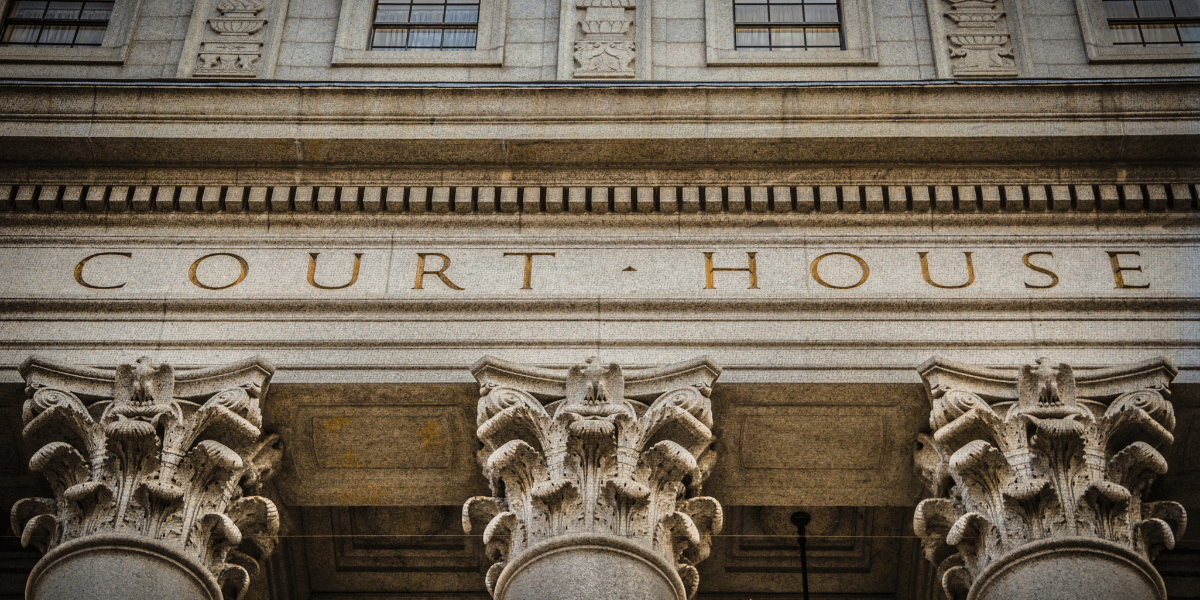
A federal court approved a major nationwide settlement on May 26, 2026, resolving years of litigation stemming from a large-scale consumer data breach that affected millions of Americans. The ruling marks one of the most significant legal developments in cybersecurity and corporate compliance law this year and highlights the increasing legal and financial consequences companies face following major cybersecurity incidents.
The settlement, approved by a U.S. District Court judge after months of negotiations, resolves consolidated class-action claims alleging that the company failed to implement adequate cybersecurity safeguards to protect sensitive consumer information. Plaintiffs argued that weaknesses in the company’s digital security infrastructure exposed personal data to unauthorized access during a cyberattack that became public several years ago.
According to court filings, the compromised information included names, addresses, dates of birth, account credentials, and other categories of personal data associated with millions of individuals across the United States. While the company denied wrongdoing as part of the settlement agreement, it agreed to provide financial compensation, expanded identity protection services, and long-term cybersecurity improvements.
The court’s approval follows extensive review of the proposed settlement terms, including objections raised by some class members and legal advocacy groups. In approving the agreement, the judge concluded that the settlement represented a reasonable compromise given the complexity of the litigation, the risks of prolonged court proceedings, and the challenges associated with proving damages in large-scale data breach cases.
Legal experts say the case reflects the rapidly evolving role of cybersecurity within corporate governance and regulatory compliance. Over the past decade, courts and regulators have increasingly treated data security failures not merely as technical issues, but as matters involving corporate accountability, consumer protection, and fiduciary responsibility.
The litigation involved allegations that the company failed to maintain reasonable security protocols capable of preventing unauthorized access to consumer information. Plaintiffs also claimed that the organization did not adequately monitor network vulnerabilities and failed to respond quickly enough once suspicious activity was detected.
Although the company denied liability, it agreed under the settlement to implement enhanced cybersecurity measures subject to independent monitoring and reporting requirements. The agreement reportedly includes commitments related to encryption standards, employee cybersecurity training, vendor oversight procedures, incident response planning, and periodic third-party security assessments.
Attorneys specializing in privacy and cybersecurity law described the settlement as a significant example of how courts are increasingly scrutinizing corporate cybersecurity practices. The case may also influence how companies evaluate legal exposure connected to cyber risk management and consumer data protection.
For businesses, the settlement reinforces the growing importance of cybersecurity compliance across multiple sectors of the economy. Companies handling consumer data—including retailers, healthcare providers, financial institutions, technology firms, and service platforms—continue facing increased legal pressure to demonstrate that reasonable safeguards are in place to protect sensitive information.
The ruling also highlights the expanding financial impact of data breach litigation. In recent years, large-scale cyber incidents have generated substantial legal costs, regulatory investigations, reputational damage, and operational disruptions for affected organizations. Corporate legal departments are now frequently working alongside cybersecurity teams and compliance officers to strengthen internal risk management procedures.
Consumer advocates welcomed the court’s approval of the settlement, arguing that the agreement provides meaningful relief for affected individuals while encouraging stronger cybersecurity standards among major corporations. Privacy organizations have consistently urged companies to prioritize data minimization, transparent breach disclosures, and proactive security investments to reduce the likelihood of future incidents.
At the same time, legal analysts note that proving consumer harm in cybersecurity litigation remains a complex issue within federal courts. Companies facing breach-related lawsuits have often argued that plaintiffs cannot demonstrate direct financial injury resulting from the unauthorized exposure of personal information. Courts across the United States have issued varying decisions regarding standing requirements and the threshold for actionable damages in data breach cases.
The approved settlement may therefore serve as an important reference point for future litigation involving cybersecurity failures and consumer privacy claims. Attorneys expect the agreement to be closely studied by both plaintiffs’ firms and corporate defense counsel as additional data breach lawsuits continue moving through federal courts.
The case also reflects broader concerns about cybersecurity resilience within the private sector. Federal agencies and industry regulators have repeatedly warned that cyber threats targeting consumer information continue increasing in sophistication and frequency. As businesses expand digital operations and data collection practices, the legal consequences associated with cybersecurity failures are expected to remain a major area of corporate risk.
In response to the growing threat landscape, many organizations have increased investments in cybersecurity infrastructure, compliance programs, and breach response planning. Boards of directors and executive leadership teams are also facing heightened expectations regarding oversight of cyber risk and data governance practices.
The federal court’s approval of the settlement represents another milestone in the ongoing evolution of American cybersecurity law. As courts, regulators, and corporations continue addressing the legal implications of large-scale data breaches, the case underscores the increasingly central role that cybersecurity now plays within corporate law, consumer protection, and regulatory enforcement in the United States.

Juris Review Contributor
Covers corporate law and the profession itself, from deal work to the attorneys building the practice.
This article features partner, contributor, or branded content from a third party. Members of the Juris Review editorial staff were not involved in the creation of this content. All views and opinions are those of the contributor alone.