
U.S. Supreme Court Declines to Hear Challenge to Federal Data Privacy Enforcement
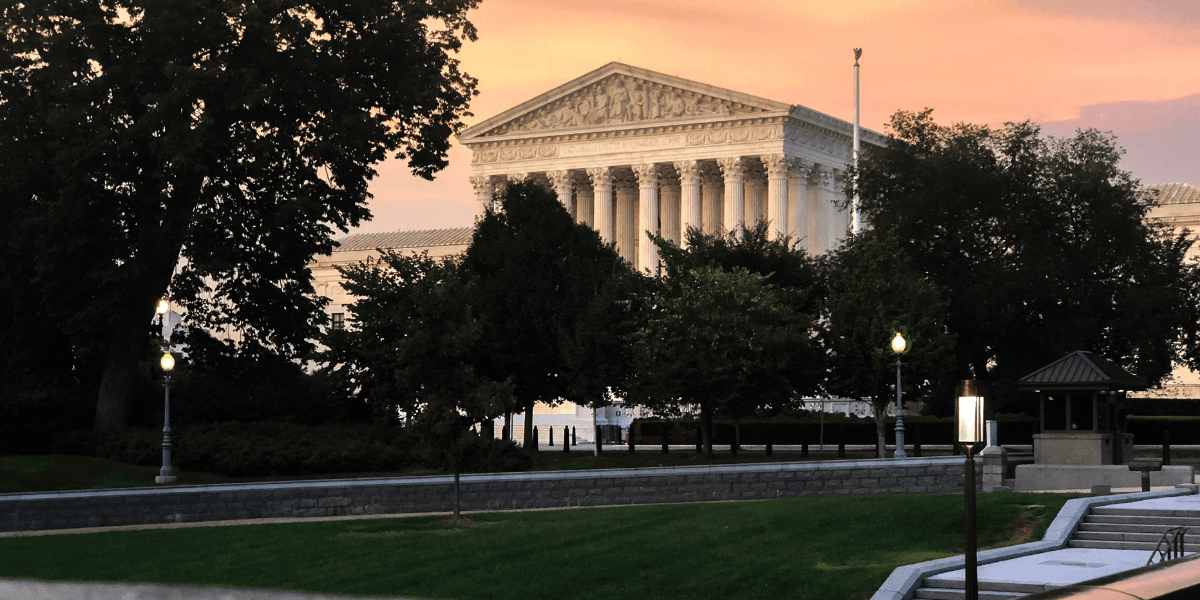
The U.S. Supreme Court declined on May 24, 2026, to hear a closely watched legal challenge involving federal consumer data privacy enforcement, leaving in place a lower court ruling that affirmed the authority of federal regulators to pursue certain privacy-related enforcement actions against technology companies. The decision is expected to have significant implications for businesses handling consumer data and for the future of digital privacy regulation in the United States.
By denying review, the Supreme Court allowed a federal appellate court ruling to stand without issuing a written opinion on the merits of the case. Although the Court’s refusal to hear the dispute does not create new nationwide precedent, legal analysts say the decision effectively preserves an important interpretation of federal regulatory authority over consumer privacy practices.
The underlying dispute involved allegations that a technology company engaged in deceptive consumer data collection and disclosure practices in violation of federal consumer protection laws. Federal regulators argued that the company failed to adequately inform users about how personal information was being gathered, shared, and retained across digital platforms and advertising systems.
The company challenged the enforcement action by arguing that the federal agency exceeded its statutory authority and relied on overly broad interpretations of consumer protection law. Attorneys for the company contended that Congress had not enacted comprehensive federal privacy legislation specifically governing the contested practices and that regulators lacked clear authority to impose certain compliance requirements.
A federal appeals court rejected those arguments earlier this year, ruling that existing consumer protection statutes provided sufficient authority for regulators to pursue enforcement actions involving allegedly deceptive data practices. The appellate court concluded that companies may face liability when consumer disclosures are misleading, incomplete, or inconsistent with actual data handling procedures.
The Supreme Court’s decision not to intervene leaves that interpretation intact and may strengthen the position of federal agencies seeking to expand oversight of digital privacy practices. Legal experts note that courts have increasingly been asked to address privacy disputes as lawmakers continue debating broader federal data privacy legislation.
The ruling arrives during a period of heightened scrutiny regarding how businesses collect, store, analyze, and monetize consumer information. Technology platforms, mobile applications, advertisers, retailers, and software providers all face growing public and regulatory attention over data transparency and cybersecurity obligations.
Privacy law specialists say the Court’s decision is particularly important because it reinforces the role of federal agencies in policing consumer data practices even in the absence of a single comprehensive national privacy statute. Instead, regulators have relied on existing consumer protection laws, unfair trade practice standards, and disclosure requirements to pursue enforcement actions involving digital privacy concerns.
For businesses, the development underscores the importance of maintaining accurate consumer disclosures and internal compliance programs related to data governance. Corporate legal departments are expected to continue reviewing privacy policies, consent procedures, cybersecurity safeguards, and vendor relationships to reduce potential regulatory exposure.
The legal dispute also reflects broader tensions between technological innovation and evolving regulatory expectations. Companies operating digital services often collect large volumes of user information to support advertising, analytics, personalization, fraud prevention, and platform functionality. Regulators, however, have increasingly emphasized that consumers must receive clear and understandable explanations regarding how personal information is used.
Industry groups have warned that inconsistent regulatory standards and expanding enforcement theories may create uncertainty for businesses operating across multiple jurisdictions. In recent years, several states have enacted their own consumer privacy laws, creating a patchwork of legal obligations that companies must navigate alongside federal enforcement activity.
Consumer advocacy organizations welcomed the Supreme Court’s decision, arguing that it preserves important oversight tools needed to protect users in an increasingly data-driven economy. Privacy advocates have consistently called for stronger transparency obligations and more robust enforcement mechanisms for companies handling sensitive consumer information.
Although the Supreme Court declined to review this particular case, legal analysts believe digital privacy disputes are likely to remain active within the federal court system. Questions involving artificial intelligence, biometric data, online tracking technologies, targeted advertising, and cross-platform data sharing continue generating complex legal challenges for regulators and businesses alike.
Some experts also expect Congress to continue considering national privacy legislation aimed at establishing clearer standards for data collection, user consent, and enforcement authority. However, until broader legislation is enacted, federal agencies and courts are expected to play a central role in shaping the legal boundaries of consumer privacy protections.
The Court’s refusal to hear the case may encourage regulators to pursue additional enforcement actions involving alleged data privacy violations under existing legal frameworks. Businesses facing regulatory scrutiny may also encounter greater difficulty challenging agency authority in federal court following the appellate ruling left undisturbed by the Supreme Court.
For attorneys, compliance officers, and corporate leaders, the development highlights the growing legal significance of privacy governance within modern business operations. As digital technologies continue evolving, data privacy enforcement is expected to remain one of the most consequential and closely monitored areas of corporate and regulatory law in the United States.

Juris Review Contributor
Covers the Supreme Court and the federal bench, reading the opinions and what they change.
This article features partner, contributor, or branded content from a third party. Members of the Juris Review editorial staff were not involved in the creation of this content. All views and opinions are those of the contributor alone.