
As of January 27, 2026, U.S. federal courts are experiencing a notable surge in civil docket filings, reflecting an ongoing trend in the legal landscape. This uptick in cases encompasses a broad range of issues, including employment disputes, contract actions, disability claims, and habeas petitions. The increase in filings underscores the continuing pressures from the pandemic era, with its far-reaching impact on workplace dynamics, business operations, and individual legal rights.
The civil cases making their way through courts are diverse in nature. New filings have been seen in multiple jurisdictions, including those related to employment discrimination under the Americans with Disabilities Act (ADA) and diversity lawsuits arising from business disputes. These cases illustrate how ongoing challenges in the workplace, including evolving employee rights and business practices, continue to generate a steady stream of legal action. The ADA-related lawsuits, in particular, reflect heightened awareness of employee rights and protections, with individuals increasingly seeking legal recourse when they believe their rights have been violated.
In addition to workplace-related cases, contract disputes are also contributing to the volume of civil filings. The economic disruptions caused by the pandemic, coupled with shifting market conditions and changing business practices, have led to numerous contractual disagreements. Companies and individuals alike are navigating the aftermath of agreements that may no longer align with the current economic realities, resulting in a rise in litigation over contract terms and obligations.
Legal analysts also note that the federal courts are dealing with older cases that were delayed or postponed due to the pandemic’s effects on the legal system. These cases, some of which are now set for argument this month, represent the backlog that many courts have been working to address. The challenge of managing both new filings and outstanding matters continues to put a strain on the judicial system, requiring courts to balance their attention between resolving fresh disputes and clearing the backlog of cases that have accumulated over the past few years.
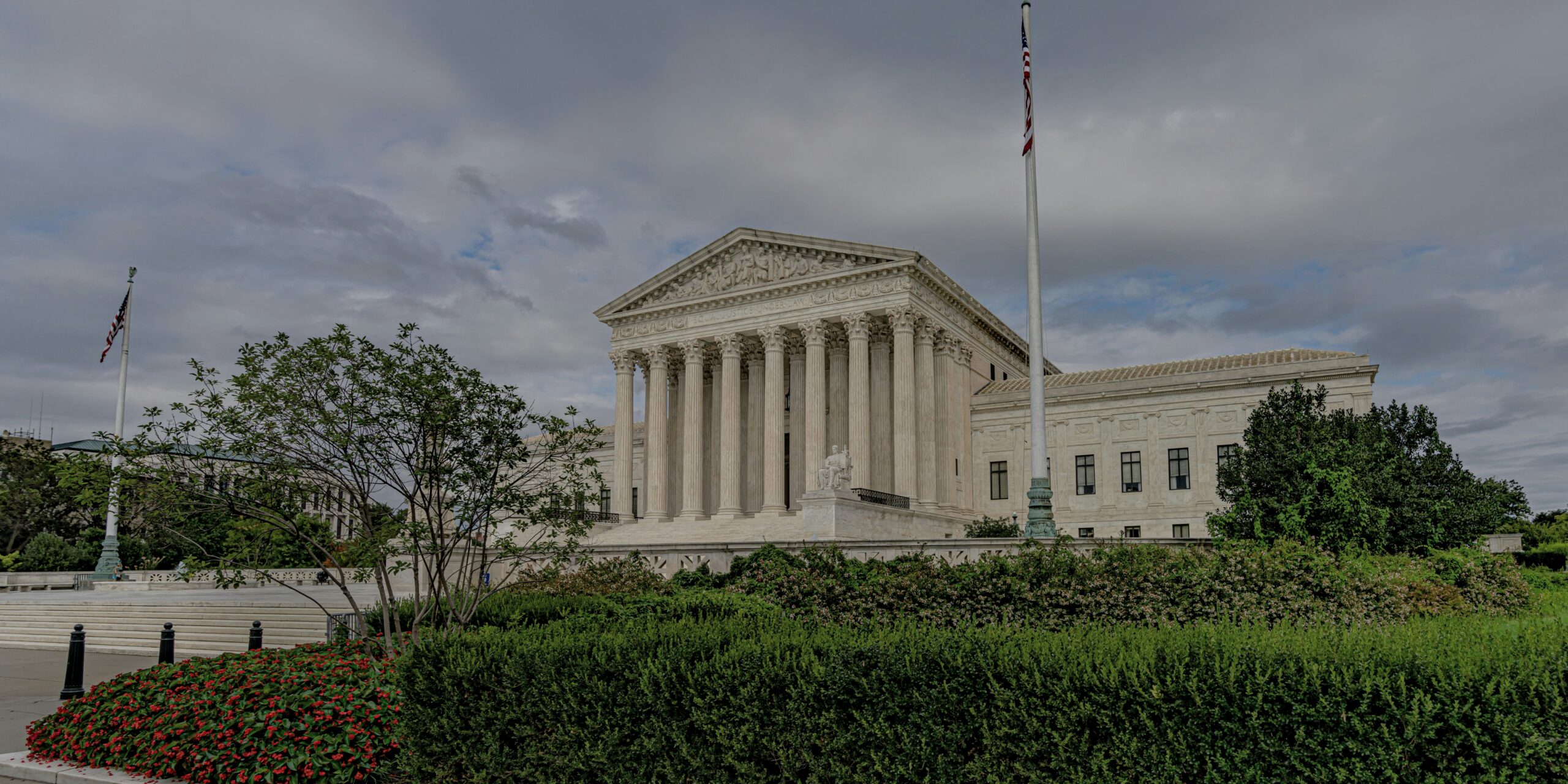
The Supreme Court, while currently on a non-argument docket day, is also poised to resume its decisions on filings after January 28. This break in arguments is temporary, and the Court’s eventual rulings could influence the trajectory of legal trends in various areas, including civil rights and business litigation. The impact of these decisions, particularly on high-profile cases involving workplace discrimination and business practices, could shape the civil litigation landscape for months to come.
As the legal system continues to manage an influx of civil cases, it is clear that the effects of the pandemic era are still being felt in the courtroom. The surge in filings reflects the ongoing complexity of disputes in both the workplace and the broader business environment, highlighting the need for continued attention to these evolving issues. With courts juggling both current and older cases, the coming months may see further developments in how civil litigation is handled, particularly in relation to the long-term effects of the pandemic on legal and economic systems.