
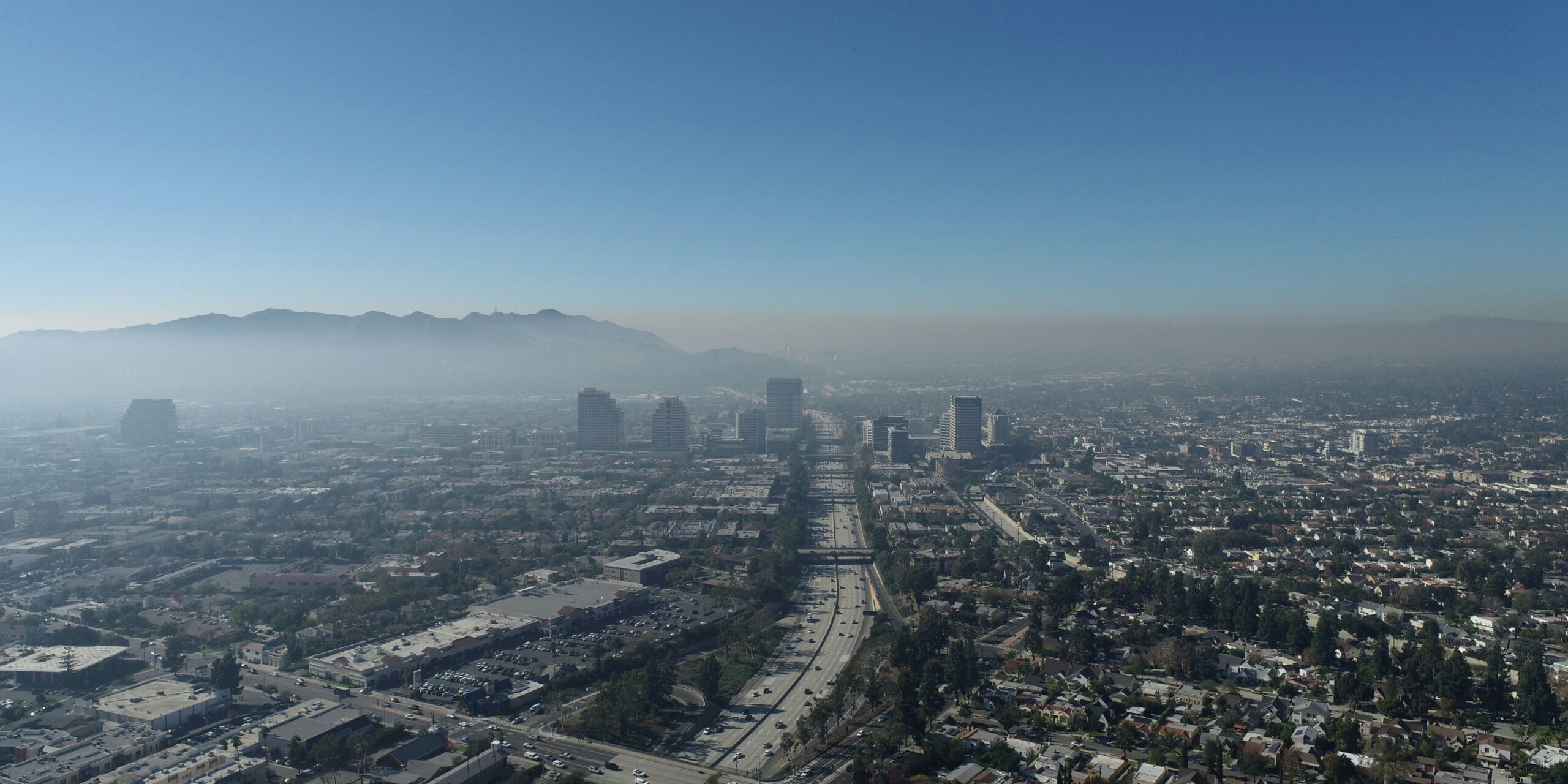
On January 9, 2026, a pivotal moment in the ongoing legal dispute over California’s climate reporting laws unfolded with a hearing before the U.S. Court of Appeals for the Ninth Circuit. The case in question, Chamber of Commerce v. Sanchez, is challenging the constitutionality of California’s SB 261, a law requiring certain large corporations to disclose detailed assessments of the financial risks they face due to climate change. The primary legal issue at hand is whether California’s climate risk disclosure requirements infringe upon corporate free speech rights as protected by the First Amendment of the U.S. Constitution.
SB 261 is part of California’s broader Climate Accountability Package, a series of legislative measures aimed at increasing transparency and accountability for companies operating in the state with regard to climate change. Under SB 261, companies would be obligated to publicly disclose the risks they face from climate-related factors, including physical risks associated with climate change, such as extreme weather events, and transition risks, which arise from changes in policies, technology, and market shifts related to climate action. Proponents of the law argue that these disclosures will provide investors and the public with crucial information about how companies are addressing climate risks, ultimately encouraging more sustainable business practices.
However, the law has faced significant pushback from corporate and trade organizations, which contend that such disclosures impose undue burdens on businesses, potentially leading to reputational harm, regulatory overreach, and a violation of constitutional rights. In November 2025, the Ninth Circuit granted an injunction that temporarily halted the enforcement of SB 261, pending the resolution of the appeal. This decision followed legal challenges from the Chamber of Commerce and other corporate groups, who argue that requiring companies to disclose climate-related risks infringes on their First Amendment rights, particularly by compelling them to provide information they may not otherwise wish to disclose.
While SB 261 is currently on hold, other elements of California’s Climate Accountability Package, particularly SB 253, which focuses on greenhouse gas emissions disclosures, are still moving forward and remain unaffected by the injunction. This ongoing legal battle, however, has placed SB 261 at the forefront of debates surrounding the scope of state power in regulating corporate disclosures related to climate change. Observers note that the outcome of the Chamber of Commerce v. Sanchez case could set an important precedent for how other states may approach similar climate disclosure laws in the future.
During the oral arguments on January 9, 2026, both corporate counsel and state regulators were keenly focused on how far states can go in requiring companies to disclose information about climate risks without violating constitutional protections. Legal experts suggest that the ruling on this case could have a broad impact not just in California but across the entire country, as more states consider implementing their own versions of climate risk disclosure regulations. The Ninth Circuit’s decision will likely serve as a key reference point for future cases involving corporate governance and climate accountability.
This case is particularly significant because it addresses the balance between the regulatory authority of state governments and the constitutional rights of corporations. As businesses increasingly face pressure from investors, consumers, and regulators to disclose more information about their environmental, social, and governance (ESG) practices, the Chamber of Commerce v. Sanchez case may shape the future of corporate governance in the U.S. If the Ninth Circuit upholds SB 261, it could set a powerful precedent for more stringent disclosure requirements related to climate change, potentially influencing not only California’s future climate regulations but also those of other states.
The legal and business communities are watching this case closely, as it could have lasting implications for corporate reporting practices. If the court rules in favor of California’s climate disclosure requirements, businesses operating in the state and beyond may be forced to adapt to new regulations that prioritize transparency on climate risks. Such a ruling could lead to increased pressure on other states to introduce similar frameworks, potentially resulting in a more fragmented regulatory environment where companies are required to meet varying climate disclosure requirements depending on the state in which they operate.
On the other hand, if the Ninth Circuit finds that SB 261 is unconstitutional, it may limit the ability of states to mandate corporate climate disclosures, making it more difficult for other states to enact similar laws. This could have a chilling effect on efforts to regulate corporate responsibility on climate change at the state level, leaving the federal government as the primary authority on climate-related corporate disclosures.
Regardless of the outcome, the Chamber of Commerce v. Sanchez case is one that is expected to have significant legal and business ramifications. The decision could redefine the boundaries of corporate responsibility in the context of climate change, influencing corporate governance practices not only in California but across the country. As more states explore the possibility of implementing their own climate disclosure laws, the ruling from the Ninth Circuit will likely provide clarity on how far states can go in requiring companies to disclose information related to climate risk without violating constitutional protections. In the coming months, businesses, regulators, and legal professionals will closely monitor the developments in this case, as it may lay the groundwork for future climate-related regulatory challenges.
