How FDA Registration Assistance Built A Global Model For Regulatory Support
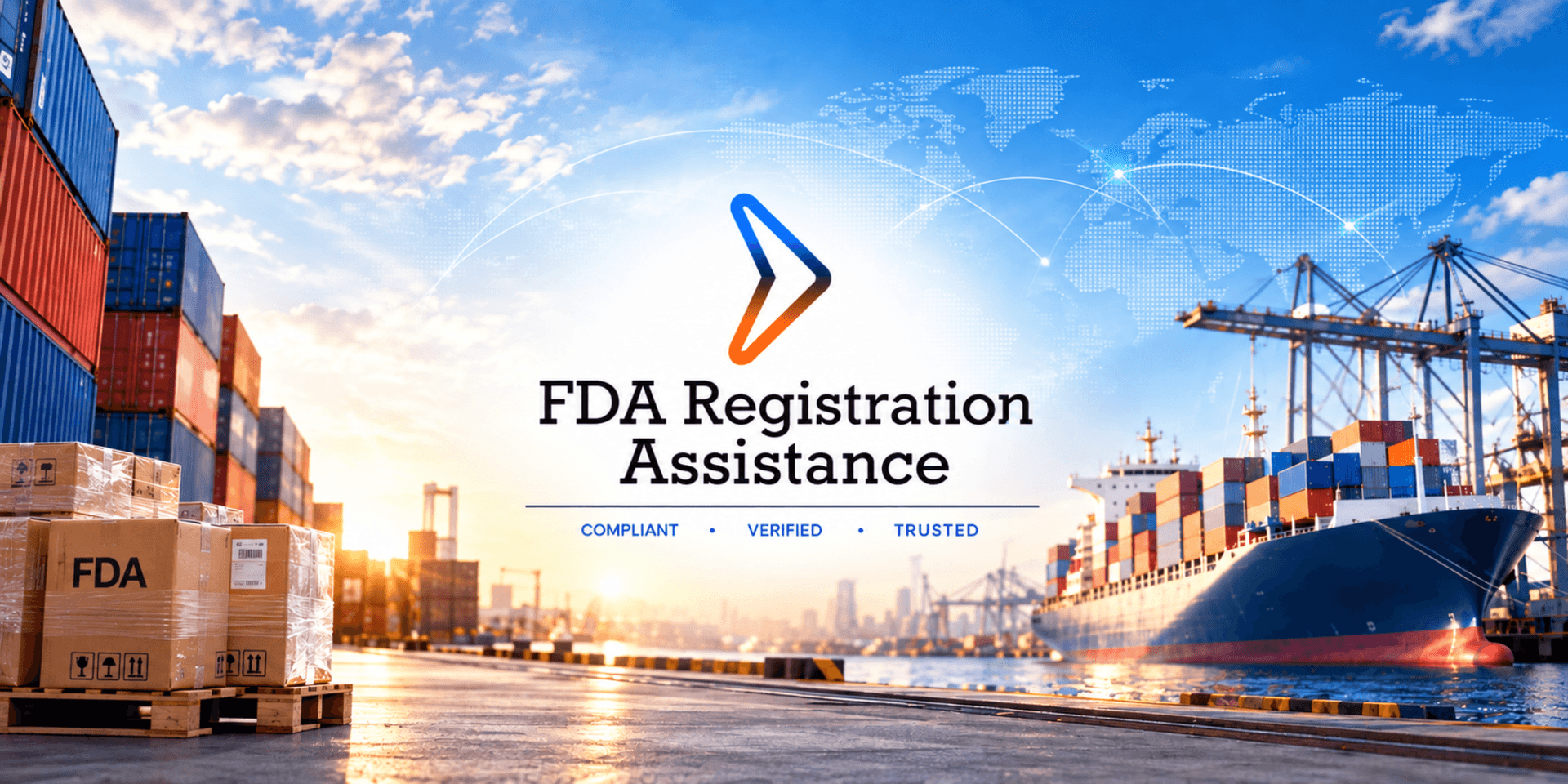
FDA Registration Assistance has developed a remote support model serving companies in more than 135 countries from its U.S. base.
A regulatory question can look very different depending on where a company is located. A manufacturer in Europe may be working across several languages and documentation systems. A food exporter in Asia may be coordinating with a U.S. importer for the first time. A company operating multiple facilities may need to keep information consistent across locations while communicating with partners thousands of miles away.
For FDA Registration Assistance, those differences are part of the everyday operating environment. Based in Miami, Florida, the firm provides remote FDA compliance support to businesses around the world and currently states that it has served companies in more than 135 countries. Its services include registration support, U.S. Agent representation, FSVP, labeling, Prior Notice, renewals, and other regulatory processes.
The result is a business model built around a simple operational challenge: helping companies in different markets understand and manage requirements connected to the U.S. regulatory system without requiring those companies to establish a local regulatory team of their own.
A Global Client Base Requires More Than Regulatory Knowledge
Regulatory requirements may be written in technical language, but the businesses dealing with them operate in very different environments.
A foreign manufacturer may have its own internal procedures, documentation standards, suppliers, distributors, and import partners. When that company begins working with the U.S. market, those existing systems have to connect with another regulatory framework.
That creates a communication challenge as much as a regulatory one.
FDA Registration Assistance's current service model is designed to work remotely with foreign manufacturers, exporters, importers, brand owners, distributors, and logistics partners. The company states that its U.S. based team handles registrations and related compliance processes regardless of where the client is located.
For Hector Matos, founder and principal of FDA Registration Assistance, that international operating environment has become a defining part of the company's work. His current professional profile states that he has advised more than 1,000 companies across more than 135 countries and has more than 15 years of experience in FDA compliance.
The Operational Difference Between One Facility And Many
A business with one manufacturing location has a different administrative challenge from a company operating facilities in several countries.
When multiple establishments are involved, information must remain accurate across registrations, renewals, contact details, and regulatory records. Changes at one facility may also need to be reflected in the company's broader compliance management process.
FDA Registration Assistance's current service information specifically addresses companies with multiple facilities in different countries. The firm states that it manages FDA registration, U.S. Agent representation, and renewals for groups with several plants across multiple countries, using a single point of contact to help keep establishments consistent.
That model illustrates an important shift in regulatory support. The challenge is not always completing one filing. For international businesses, it can be maintaining an organized system as the company expands, adds facilities, changes operations, or continues shipping into the United States.
Why Remote Support Has Become Part Of The Model
International regulatory consulting once depended heavily on physical proximity. Today, many of the activities involved in FDA compliance can be coordinated digitally, including document collection, registration preparation, communication, review, and renewal management.
FDA Registration Assistance operates on that basis. Its website describes the company as a Miami based firm serving clients internationally through remote support. The company also maintains service information for exporters in specific markets and regions, including businesses in the Philippines and other countries.
The remote model does not eliminate the complexity of cross border work. Instead, it changes how that complexity is managed.
A client does not necessarily need to travel to the United States to begin the process. Instead, information can be gathered from the company's facility, product, importer, and export plans, then reviewed against the requirements relevant to that business.
That approach can be particularly useful for companies that are entering the U.S. market from countries where regulatory systems and commercial practices differ significantly.
One Point Of Contact Across A Complicated Process
Another characteristic of the firm's current model is the emphasis on continuity.
FDA Registration Assistance's team page describes a structure that includes regulatory, administrative, documentation, scheduling, filing coordination, and ongoing compliance support. That means the client relationship extends beyond a single submission.
For international companies, continuity can matter because regulatory information is rarely static. A business may begin with one product and later expand its portfolio. It may add a manufacturing location, change a facility's information, introduce another product category, or need to track a renewal.
The firm's current service materials state that it tracks renewal and update deadlines for clients and notifies them in advance to help keep registrations active.
This creates a different kind of value from simply submitting paperwork. It establishes an ongoing administrative framework around regulatory responsibilities.
Hector Matos And The Human Side Of Global Support
The scale of a global client base can easily make regulatory consulting feel transactional. Matos's role presents a different picture.
His current company profile identifies him as the firm's Senior Regulatory Compliance Specialist, founder, and principal. It also describes his primary concentration as food regulatory policy, while noting experience across food, medical device, import, and other FDA compliance matters.
The company's current team page also identifies administrative support responsible for intake, documentation, scheduling, and filing coordination.
That combination highlights an often overlooked part of international compliance work: the people behind the process.
For a company communicating from another country, knowing where to send information, who is responsible for the next step, and how questions will be handled can be as important operationally as understanding the underlying requirements.
Building Infrastructure Around International Growth
The growth of FDA Registration Assistance's international service model reflects a broader reality of modern commerce. Companies can manufacture in one country, maintain a brand in another, work with an importer in the United States, and sell through distributors or online channels across multiple markets.
That structure creates opportunities, but it also creates more points where information needs to remain accurate and coordinated.
FDA Registration Assistance's current service area information lists more than 135 countries and describes support for foreign manufacturers, U.S. importers of record, brand owners, distributors, and logistics partners.
Its global model is therefore not simply about reaching more countries. It is about creating a consistent support structure for companies whose operations already cross borders.
A Global Business Requires A Global Support Structure
As international commerce becomes increasingly distributed, regulatory support is also becoming more global in its operating model.
For FDA Registration Assistance, the focus is on connecting businesses around the world with a U.S. based team that can coordinate registration, representation, documentation, renewals, and related compliance processes. The company currently describes its reach as more than 135 countries, with its Miami base serving as the center of its international operations.
For Hector Matos, that creates a role that extends beyond individual registrations. The work involves helping companies navigate the administrative distance between where products are made and where they are ultimately sold.
In that sense, FDA Registration Assistance's story is not only about regulations. It is also about infrastructure, communication, and creating a workable connection between international businesses and the U.S. market.
Exploring FDA Registration Assistance
Companies interested in learning more about FDA Registration Assistance and its international support model can visit the FDA Registration Assistance website. Additional information is available through the company's Facebook, X, Instagram, and YouTube channels.

Juris Review Contributor
Covers corporate law and the profession itself, from deal work to the attorneys building the practice.
This article features partner, contributor, or branded content from a third party. Members of the Juris Review editorial staff were not involved in the creation of this content. All views and opinions are those of the contributor alone.
previous post
No Shortcuts: Inside Raimondo & Sundquist LLP