
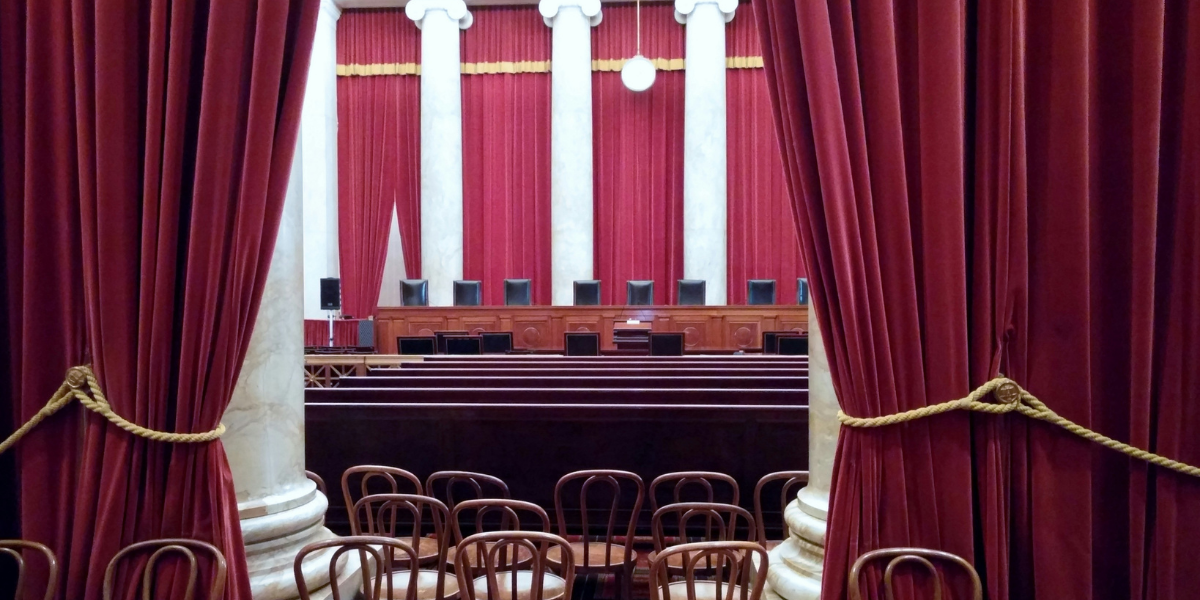
On February 6, 2026, legal observers in the United States continue to watch closely one of the most consequential cases before the Supreme Court of the United States (SCOTUS) this term: Little v. Hecox, a high‑profile constitutional challenge with significant implications for civil rights, equal protection, and the intersection of federal and state authority.
Core Issue Before the Court
Little v. Hecox centers on the constitutionality of state laws that ban transgender women and girls from competing on female sports teams in school athletics. The case tests whether such laws , like Idaho’s Fairness in Women’s Sports Act , violate the Equal Protection Clause of the Fourteenth Amendment and Title IX of the Education Amendments of 1972, which prohibits sex discrimination in education programs receiving federal funds.
Oral arguments in the consolidated cases (Little and West Virginia v. B.P.J.) were heard by the Supreme Court on January 13, 2026, making it one of the major pending decisions of the 2025–26 term.
Background: From District Court to Supreme Court
The litigation began in 2020 when Idaho enacted the Fairness in Women’s Sports Act. The law categorically excluded transgender women from female teams, defining eligibility based on biological sex and imposing requirements tied to reproductive anatomy, testosterone levels, and genetic markers.
A federal district court subsequently issued a preliminary injunction, finding a likelihood that the law violated equal protection and discriminated on the basis of sex and transgender status. On appeal, the Ninth Circuit court largely upheld the injunction as applied to the named plaintiff, Lindsay Hecox, a transgender woman and collegiate athlete, but remanded other aspects of the case to the district court.
The Supreme Court granted certiorari in July 2025, consolidating Little with a similar case from the Fourth Circuit, West Virginia v. B.P.J., to address broader constitutional questions about state power and federal anti‑discrimination protections.
Legal Questions and Judicial Stakes
At the heart of Little v. Hecox are several complex legal issues:
- Equal Protection and Sex Discrimination: Does a state law that categorically excludes transgender women from women’s athletic teams constitute discrimination “on the basis of sex” under the Fourteenth Amendment?
- Title IX Interpretation: How should federal antidiscrimination protections in educational settings apply to state laws that distinguish participants based on sex assigned at birth versus gender identity?
- Scope of State Authority: To what extent can states independently regulate school athletics in areas that implicate constitutional civil rights protections?
During oral argument, questions from justices reflected deep engagement with these doctrinal themes. Some justices probed whether recognizing broader anti‑discrimination protections would create new rights, while others emphasized states’ interests in defining athletic eligibility criteria.
Wider Legal and Social Context
Little v. Hecox is part of a broader slate of significant constitutional questions before the Supreme Court this term. These include disputes over voting regulations, separation of powers, federal administrative authority, and other civil rights cases, illustrating how the high court remains a central arbiter of pressing legal controversies in 2026.
Meanwhile, the Court’s docket continues to generate noteworthy decisions and orders on a range of legal issues. Recent rulings handed down in late January 2026 included decisions on criminal restitution and procedural matters , such as Ellingburg v. United States and Berk v. Choy , illustrating the breadth of the Court’s influence over substantive and procedural law.
Significance for Legal Community and Public Policy
Little v. Hecox carries particular significance for lawyers, civil rights advocates, educators, and policymakers:
- Civil Rights and Equal Protection: A ruling for the plaintiffs could affirm expansive federal protections against discrimination based on gender identity, reinforcing the reach of existing civil rights statutes. A reversal, by contrast, may provide greater latitude for states to enact laws based on biological sex classifications.
- Title IX Interpretation: The decision is poised to clarify how Title IX’s prohibition on sex discrimination applies to emerging legal controversies involving gender identity and sports participation , a question with implications extending beyond athletics to broader educational environments.
- State Versus Federal Authority: The case also reflects ongoing tensions between state autonomy and federal constitutional protections, a recurrent theme in contemporary constitutional law.
Looking Ahead
As of February 6, 2026, the Supreme Court has not yet issued a final decision in Little v. Hecox. However, the case is widely viewed within the legal community as a pivotal moment for equal protection jurisprudence and the evolving legal landscape surrounding gender identity and civil rights. The ruling, expected in the coming months, will likely shape legal debates and legislative responses nationwide.
In sum, Little v. Hecox exemplifies the Supreme Court’s central role in adjudicating complex legal questions that resonate across constitutional doctrine, social policy, and educational law , marking it as one of the most consequential cases of the 2026 legal term.
