
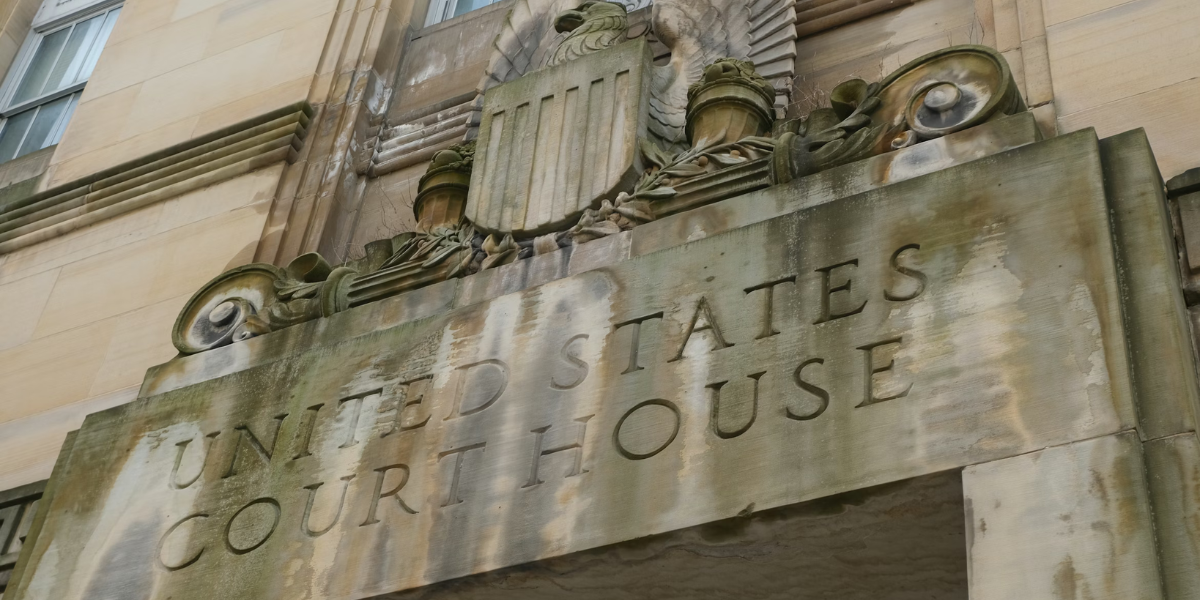
On April 8, 2026, developments across U.S. courts and legislative bodies underscored the growing legal significance of digital evidence, with multiple federal proceedings and policy discussions shaping how electronically stored information is handled in both civil and criminal cases. These updates reflect a broader shift in the legal landscape, as courts increasingly address questions surrounding data privacy, admissibility standards, and the role of emerging technologies in litigation.
One of the most notable courtroom developments involved a federal appellate hearing examining the admissibility of data collected from personal devices. The case centers on whether certain types of digital records, including location data and application usage logs, meet established evidentiary standards under the Federal Rules of Evidence. Attorneys on both sides presented arguments regarding authenticity, reliability, and the potential for data manipulation, highlighting the technical complexities judges must now evaluate.
Legal analysts note that courts are placing heightened emphasis on the concept of “digital chain of custody,” which refers to the documented process of collecting, preserving, and presenting electronic evidence. Judges are increasingly requiring detailed documentation to ensure that digital records have not been altered or compromised. This trend is particularly relevant in cases involving smartphones, cloud storage, and third-party platforms, where multiple entities may have access to the same data.
In parallel, legislative discussions at the federal level have focused on modernizing evidentiary standards to better reflect technological realities. Lawmakers are reviewing proposals that would provide clearer guidance on how courts should assess digital evidence, including standardized protocols for authentication and admissibility. While no final legislation was enacted today, committee briefings and expert testimonies signaled growing bipartisan recognition of the issue’s importance to the justice system.
The Supreme Court of the United States has also played a role in shaping this evolving area of law. Although no final ruling was issued today, recent petitions under consideration involve questions about the extent to which digital data is protected under constitutional frameworks governing searches and seizures. Observers expect that future decisions could further clarify how longstanding legal principles apply to modern technologies.
Corporate law implications are also emerging as a key area of focus. Companies that collect and store user data are facing increased scrutiny regarding their data retention practices and compliance with legal discovery requests. In several ongoing federal cases, corporate defendants have been required to produce extensive digital records, raising questions about the costs and logistical challenges of electronic discovery, commonly referred to as e-discovery.
Law firms and corporate legal departments are responding by investing in advanced tools and specialized expertise to manage digital evidence more effectively. E-discovery platforms, data analytics tools, and cybersecurity measures are becoming integral components of legal strategy. Attorneys emphasize that the ability to efficiently process large volumes of digital information can significantly influence case outcomes, particularly in complex litigation.
Expert commentary from legal scholars highlights the broader implications of these developments. Many point to the need for continued education and training within the legal profession to keep pace with technological advancements. As courts encounter increasingly sophisticated forms of digital evidence, judges and attorneys alike must develop a deeper understanding of how such data is generated, stored, and analyzed.
Attorney practitioners involved in today’s proceedings noted that collaboration with technical experts is becoming standard practice. For example, forensic analysts are often called upon to verify the integrity of digital evidence, while data scientists may assist in interpreting complex datasets. This interdisciplinary approach reflects a growing recognition that modern legal disputes frequently intersect with technical domains.
Key takeaways from April 8, 2026, include the judiciary’s increasing focus on establishing reliable standards for digital evidence, the legislative branch’s efforts to update legal frameworks, and the expanding role of technology in both litigation and corporate compliance. These developments are expected to influence a wide range of legal areas, from criminal prosecutions to civil disputes and regulatory enforcement.
Ultimately, the events of today highlight a critical transition within the U.S. legal system. As digital information continues to play a central role in everyday life, its importance in legal proceedings will only grow. Courts, lawmakers, and legal professionals are working to ensure that the justice system remains equipped to handle these challenges while maintaining fairness, accuracy, and due process.
