
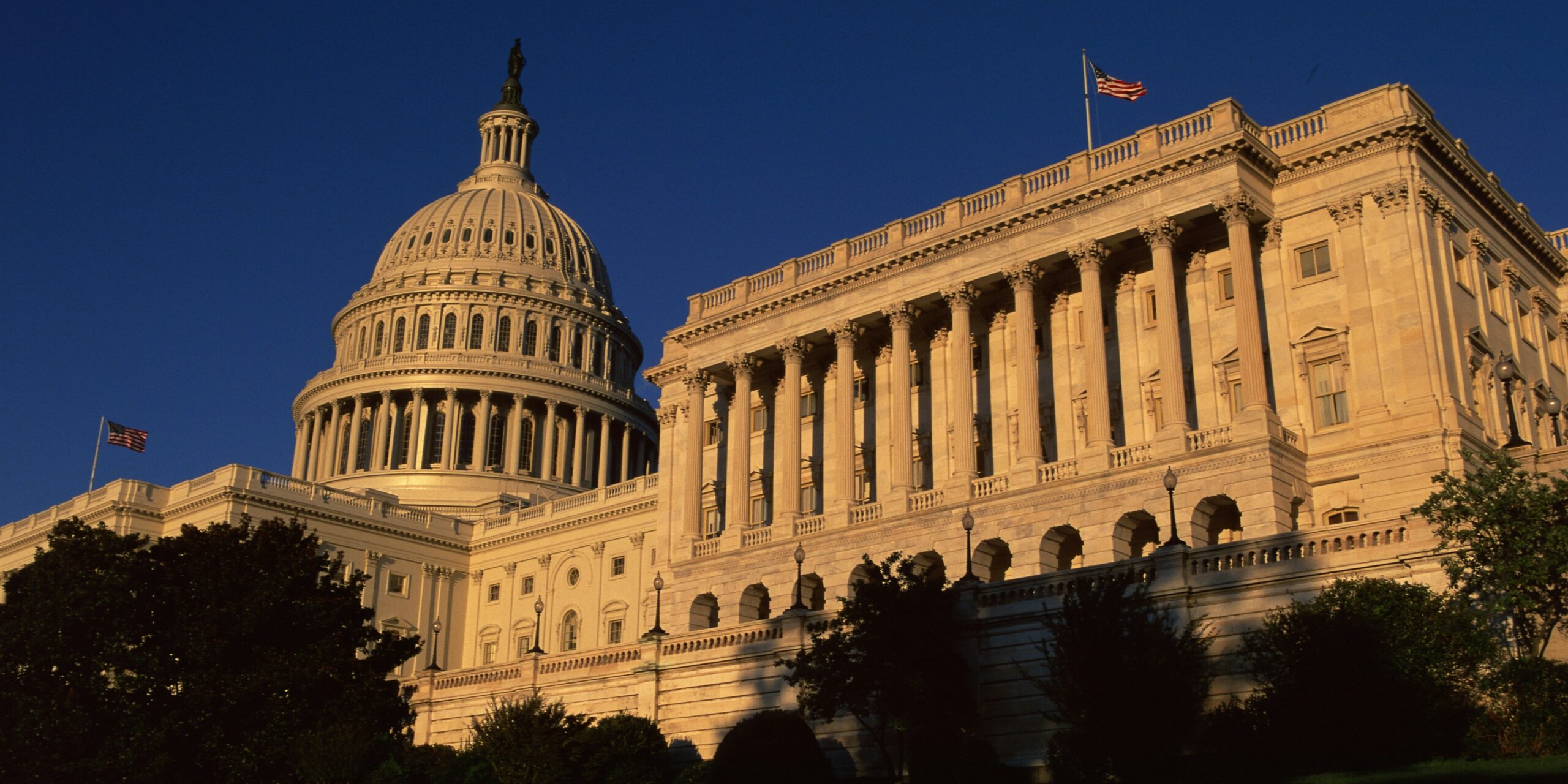
On January 29, 2026, significant progress was reported in Congress as the U.S. Senate announced a tentative bipartisan agreement aimed at averting a partial federal government shutdown. This agreement marks an important development in the ongoing budgetary negotiations, providing a temporary solution to keep the federal government funded while lawmakers continue to address more contentious issues related to immigration enforcement and the Department of Homeland Security’s (DHS) budget.
The proposed deal would effectively separate the funding for the DHS from other appropriations bills, allowing for continued funding of most federal operations without interruption. This approach gives lawmakers additional time to work through some of the more complex issues surrounding DHS policies, particularly those concerning immigration enforcement. While the short-term agreement would ensure that DHS remains operational, it provides space for further discussions on broader policy matters, including immigration reform and security priorities. In essence, the deal represents a temporary measure to keep the government functioning, particularly in essential areas, while still allowing for the continuation of debates on more divisive issues.
The deal has reportedly garnered bipartisan support, with senators from both parties acknowledging the importance of preventing a government shutdown. Despite the general support in the Senate for passing this funding package, including the continuation of a short-term continuing resolution (CR) for the DHS, the agreement still requires final approval in both the Senate and the House of Representatives before it becomes law. While the Senate is making strides toward securing the deal, lawmakers on both sides of the aisle will need to work quickly to finalize it in the coming days to avoid any lapse in funding that could disrupt federal services.
The discussions surrounding this funding package are emblematic of the broader constitutional and procedural challenges that Congress faces in its budgeting process. As the U.S. government operates on a fiscal year basis, lawmakers must consistently navigate tight deadlines and political gridlocks to ensure the continuity of government operations. This temporary funding agreement highlights the ongoing difficulties that Congress faces in reaching a consensus on budget matters, particularly when it comes to balancing the policy demands of different political factions.
The outcome of this tentative deal will likely have long-term implications for the way that government funding and policy issues are handled in the future. If passed, it will allow federal agencies to continue their work without disruption, but the underlying issues surrounding immigration and DHS funding will likely remain points of contention that require further debate. As the deadline for a permanent funding agreement draws closer, both parties will need to compromise to ensure the government’s continued operation, which is critical for the functioning of essential services and the stability of the nation.
This funding package is expected to provide some relief, but it is ultimately a temporary measure. It will buy lawmakers valuable time to continue negotiations and work toward a more comprehensive and long-lasting solution that addresses the pressing policy issues in the nation. The current situation underscores the broader challenges of navigating complex legislative processes and balancing competing political interests. With budget deadlines fast approaching, it remains to be seen whether Congress will be able to reach a final agreement or whether further temporary measures will be needed in the coming months. The final outcome of these discussions will have significant consequences for the future of U.S. government operations, the allocation of resources, and the shaping of policy priorities at the federal level.
