
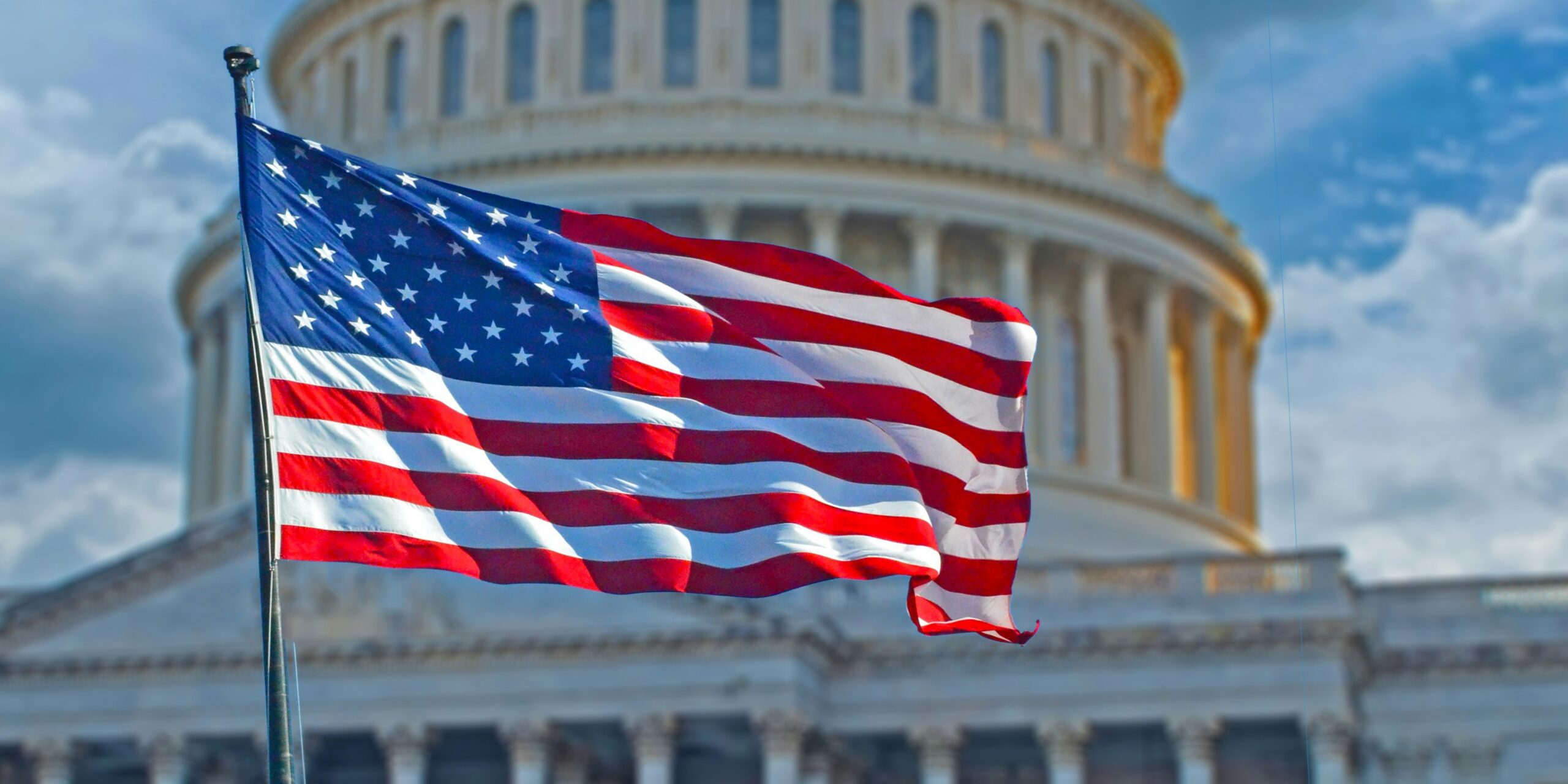
On December 26, 2025, the United States federal government observed a special holiday closure, following a presidential directive that extended the Christmas holiday period for federal employees. The closure, which came through an executive order issued in mid-December, directed all executive departments and agencies to cease regular operations for the day, providing a long holiday weekend for the federal workforce. While Christmas Day is an officially recognized federal holiday, the closure of December 26 was not part of the statutory holiday calendar but rather a temporary measure granted by the president.
This executive order excused federal employees from duty while preserving their pay and leave rights under federal employment statutes. In practice, this meant that most non-essential federal offices—ranging from administrative agencies to public-facing departments—were shuttered for the day. Essential personnel, however, remained on duty where required, especially in departments tied to national security, law enforcement, emergency services, and other critical functions. Agency heads retained the discretion to determine which operations needed to continue uninterrupted, reflecting the federal government’s commitment to balancing holiday observance with the need to maintain vital services.
The order did not apply to private sector businesses or state and local governments, many of which set their own holiday schedules. As a result, while federal employees enjoyed the extended break, other sectors varied in their approach to post-Christmas hours. Many private businesses remained open, particularly those in retail and service industries, which often experience a surge in activity during the final week of the year.
In addition to the executive branch closures, the federal judiciary also marked the holiday period with adjusted schedules. For example, the U.S. District Court for the Western District of North Carolina announced that its courthouse would be closed from December 24 through December 26. These closures aligned with longstanding administrative practices in the judicial system, which often reduces activity during the final week of December. The court’s holiday recess impacted scheduled hearings, filings, and procedural deadlines, prompting attorneys, litigants, and court staff to adjust accordingly. Similar closures were observed in other federal courts, where the year-end slowdown allows for both observance of the holiday and system-wide administrative resets.
The closure of federal offices and courts during this period also had implications for the public and the legal community. With government buildings closed, services such as permit processing, passport applications, and other administrative functions were temporarily suspended. For individuals with pending legal matters, the recess meant that deadlines were extended, filings were delayed, and court calendars were pushed into the new year. These disruptions, while temporary, required careful planning from both government agencies and private sector professionals who depend on timely interaction with federal systems.
This temporary holiday extension followed a tradition that has been employed by various administrations over the years. Presidents have occasionally granted extra days off surrounding major federal holidays, especially when those holidays fall mid-week or near weekends. These decisions are often made to align with cultural expectations, improve morale among government employees, and allow for extended travel or family time during the season. In this case, the 2025 executive order provided a four-day break from December 24 to 27, effectively creating a holiday window that helped many federal workers enjoy a longer period of rest and celebration.
The move to close federal offices on December 26 was also symbolic of the government’s acknowledgment of the significance of the holiday season to millions of Americans. By extending the time off, the administration signaled its support for work-life balance, family connection, and a moment of pause in the otherwise fast-paced cadence of federal operations. It also reflected an understanding of seasonal patterns in government work, where activity often slows naturally due to public holidays and year-end processing schedules.
While the closure did not alter the list of officially recognized federal holidays—an authority reserved for Congress—it temporarily modified the federal calendar in a way that impacted millions of employees and citizens. Importantly, the closure was designated as a one-time observance, meaning it does not set a precedent for future years unless another executive order is issued.
In the broader context, the December 26 closure marked the conclusion of a year of varied government activity, legislative movement, and administrative policy. It provided a rare pause in operations across the sprawling network of federal agencies and departments, signaling both the end of the holiday week and the winding down of 2025. For government workers and those who interact with federal institutions, it served as a reminder of how policy, tradition, and public service intersect at moments of national significance.