
On April 24, 2026, a convergence of legal developments in the United States highlighted the evolving role of federal courts and agencies in shaping corporate accountability and regulatory compliance. Two key developments stand out: the U.S. Supreme Court’s impending review of a high-profile product liability case involving Bayer’s Roundup herbicide, and a significant regulatory extension issued by the Department of Justice (DOJ) affecting accessibility compliance for public entities. Together, these events underscore the growing intersection of public concern, corporate liability, and administrative rulemaking in the American legal system.
Supreme Court to Hear Landmark Roundup Liability Case
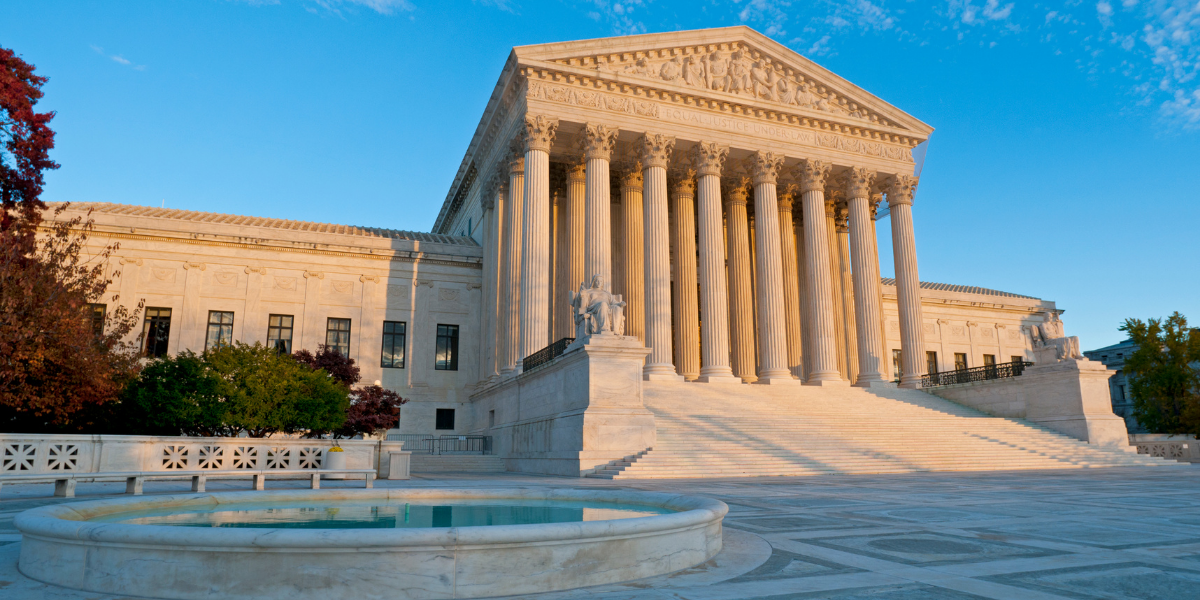
One of the most consequential legal developments centers on the U.S. Supreme Court’s decision to hear a case involving Bayer AG and its widely used herbicide, Roundup. The case addresses whether federal law shields manufacturers from state-level lawsuits alleging harm caused by pesticide products.
Recent public opinion data indicates that a substantial majority of Americans express concern about pesticide use in food production and oppose legal protections that would limit corporate liability for potentially harmful products. This public sentiment adds weight to a case that could redefine the balance between federal regulatory authority and state tort law.
At the heart of the dispute is whether compliance with federal labeling requirements under the Federal Insecticide, Fungicide, and Rodenticide Act (FIFRA) preempts state law claims. Bayer argues that allowing such lawsuits would create inconsistent regulatory standards, while plaintiffs contend that state-level remedies are essential for consumer protection.
Legal analysts note that the Court’s ruling could have far-reaching implications beyond pesticides, potentially influencing litigation involving pharmaceuticals, chemicals, and other federally regulated products. A decision favoring Bayer may limit the ability of individuals to seek damages under state law, while a ruling against the company could reinforce the role of state courts in holding corporations accountable.
DOJ Extends Accessibility Compliance Deadlines
In a parallel regulatory development, the DOJ finalized an interim rule extending compliance deadlines for accessibility requirements under Title II of the Americans with Disabilities Act (ADA). Originally set to take effect on April 24, 2026, the new deadlines provide state and local governments additional time to ensure that their websites and digital services are accessible to individuals with disabilities.
Specifically, public entities serving populations of 50,000 or more now have until April 26, 2027, to comply, while smaller entities have until April 26, 2028. The DOJ cited concerns that immediate enforcement could impose significant operational and financial burdens on covered entities.
This rulemaking marks a continuation of long-standing efforts to clarify digital accessibility obligations under the ADA. Although the statute predates the modern internet, courts and regulators have increasingly interpreted it to apply to online services, reflecting the central role of digital access in public life.
From a legal perspective, the extension provides temporary relief but does not diminish the underlying compliance requirements. Public entities are still expected to implement technical standards that ensure equal access, and failure to do so may result in enforcement actions or private litigation once the new deadlines take effect.
Broader Legal and Policy Implications
These developments illustrate a broader trend in U.S. law: the increasing complexity of balancing federal authority, state rights, and public interest. The Supreme Court’s review of the Roundup case highlights ongoing tensions between uniform federal regulation and the traditional role of state courts in adjudicating personal injury claims.
At the same time, the DOJ’s regulatory action reflects the challenges of implementing nationwide standards in a rapidly evolving technological environment. By extending compliance deadlines, the agency acknowledges practical constraints while reaffirming its commitment to accessibility and civil rights.
For legal practitioners and policymakers, these events offer several key takeaways:
- Federal preemption remains a critical issue in product liability law, with significant implications for both corporate defendants and individual plaintiffs.
- Public opinion continues to influence legal discourse, particularly in cases involving health and safety concerns.
- Regulatory flexibility is increasingly necessary as agencies adapt longstanding statutes to modern contexts, such as digital accessibility.
Conclusion
April 24, 2026, serves as a snapshot of a dynamic legal environment in the United States, where courts and regulators are actively shaping the boundaries of corporate responsibility and public access. The Supreme Court’s forthcoming decision in the Roundup case and the DOJ’s extension of ADA compliance deadlines both reflect the legal system’s ongoing effort to address complex, real-world challenges.
As these issues continue to evolve, they will likely influence not only future litigation but also legislative and regulatory strategies, reinforcing the central role of law in navigating the intersection of technology, commerce, and public welfare.