
Supreme Court Scrutiny Intensifies Over Federal Preemption in Landmark Glyphosate Case
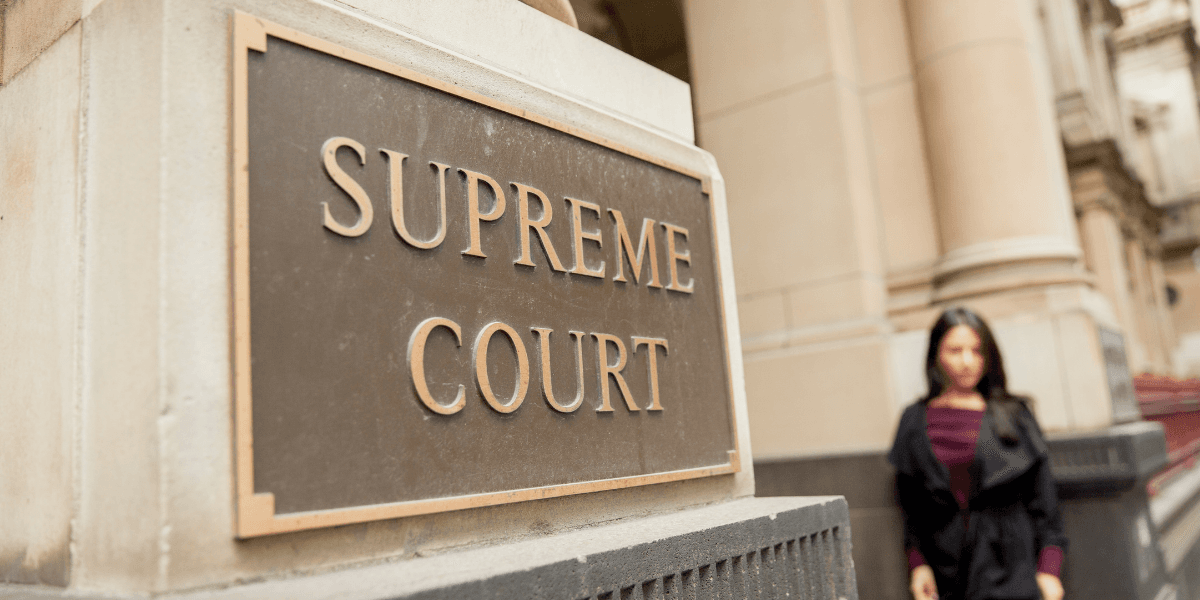
On April 16, 2026, the United States Supreme Court took center stage in a closely watched legal battle that could significantly reshape the balance between federal regulatory authority and state-level consumer protection laws. The case, involving Monsanto’s glyphosate-based herbicide Roundup, highlights fundamental questions about corporate liability, federal preemption, and the role of regulatory agencies in safeguarding public health.
Background of the Case
At the heart of the dispute is whether federal law, specifically the Federal Insecticide, Fungicide, and Rodenticide Act (FIFRA), preempts state-level legal claims requiring companies to warn consumers about potential health risks. Monsanto, now owned by Bayer, argues that because the Environmental Protection Agency (EPA) has not classified glyphosate as carcinogenic, it should not be subject to state lawsuits alleging failure to warn.
This argument is critical because thousands of lawsuits have been filed across the United States by individuals claiming that exposure to Roundup caused cancer. A ruling in Monsanto’s favor could effectively end much of this litigation by establishing that federal regulatory approval overrides state-level liability claims.
Opponents, including public health advocates, legal scholars, and agricultural workers’ groups, contend that such a ruling would strip consumers of their ability to seek redress through state courts. They argue that federal regulators have not always acted decisively or transparently in evaluating chemical safety, making state tort law an essential layer of protection.
Legal Questions and Broader Implications
The central legal issue revolves around the doctrine of federal preemption, which determines when federal law overrides conflicting state laws. In this case, the Court must decide whether EPA approval of labeling standards under FIFRA precludes states from imposing additional warning requirements through litigation.
Legal experts note that the Court’s decision could extend far beyond pesticide regulation. A broad interpretation of federal preemption could limit the ability of states to enforce consumer protection laws in areas such as pharmaceuticals, environmental regulation, and product liability.
Additionally, the case raises questions about the role of administrative agencies. If the Court defers heavily to the EPA’s determinations, it could reinforce agency authority. Conversely, a ruling allowing state claims to proceed may signal judicial skepticism toward federal regulators and affirm the importance of state-level oversight.
Public and Industry Reactions
The case has drawn national attention, with numerous organizations submitting legal briefs on each side. Industry groups warn that allowing state-level lawsuits to proceed could create inconsistent regulatory standards, complicating compliance for manufacturers and potentially affecting agricultural productivity.
On the other hand, consumer advocacy groups argue that litigation serves as a necessary check on corporate conduct, particularly when scientific consensus is evolving. They emphasize that juries and courts play a vital role in uncovering evidence and holding companies accountable.
The case has also sparked public demonstrations and heightened media coverage, reflecting widespread concern about the intersection of public health and corporate responsibility.
Connection to Broader Supreme Court Trends
This case arrives amid increasing scrutiny of the Supreme Court’s role in shaping regulatory policy. Recent commentary from within the Court itself has highlighted tensions over how decisions are made, particularly in high-stakes cases.
Justice Ketanji Brown Jackson recently criticized the Court’s growing reliance on expedited procedures, warning that such practices could undermine transparency and the traditional judicial process. While her remarks were not directly tied to the glyphosate case, they underscore broader concerns about how the Court handles complex and consequential disputes.
Potential Outcomes
The Supreme Court’s ruling could take several forms. If the Court affirms federal preemption, it would likely shield manufacturers from many state-level lawsuits and reinforce the authority of federal regulators. If it allows state claims to proceed, it would preserve the role of state courts in addressing alleged harms and could lead to continued litigation against Monsanto and similar companies. Alternatively, the Court could issue a narrow ruling limited to the specific facts of the case, leaving broader questions unresolved.
Each outcome carries significant implications for businesses, consumers, and the legal system.
Key Takeaways
The April 16 proceedings highlight the Supreme Court’s pivotal role in resolving conflicts between federal authority and state-level protections. The glyphosate case, in particular, serves as a test of how the legal system balances regulatory consistency with accountability.
For legal practitioners, the case underscores the importance of federal preemption doctrine in shaping litigation strategy. For policymakers, it raises questions about the adequacy of existing regulatory frameworks. And for consumers, the outcome may determine the extent to which they can rely on state courts to seek remedies for alleged harms.
As the Court deliberates, its eventual decision is expected to set a precedent with far-reaching consequences, influencing not only environmental and product liability law but also the broader relationship between federal agencies and state judicial systems.

Juris Review Contributor
Covers the Supreme Court and the federal bench, reading the opinions and what they change.
This article features partner, contributor, or branded content from a third party. Members of the Juris Review editorial staff were not involved in the creation of this content. All views and opinions are those of the contributor alone.