
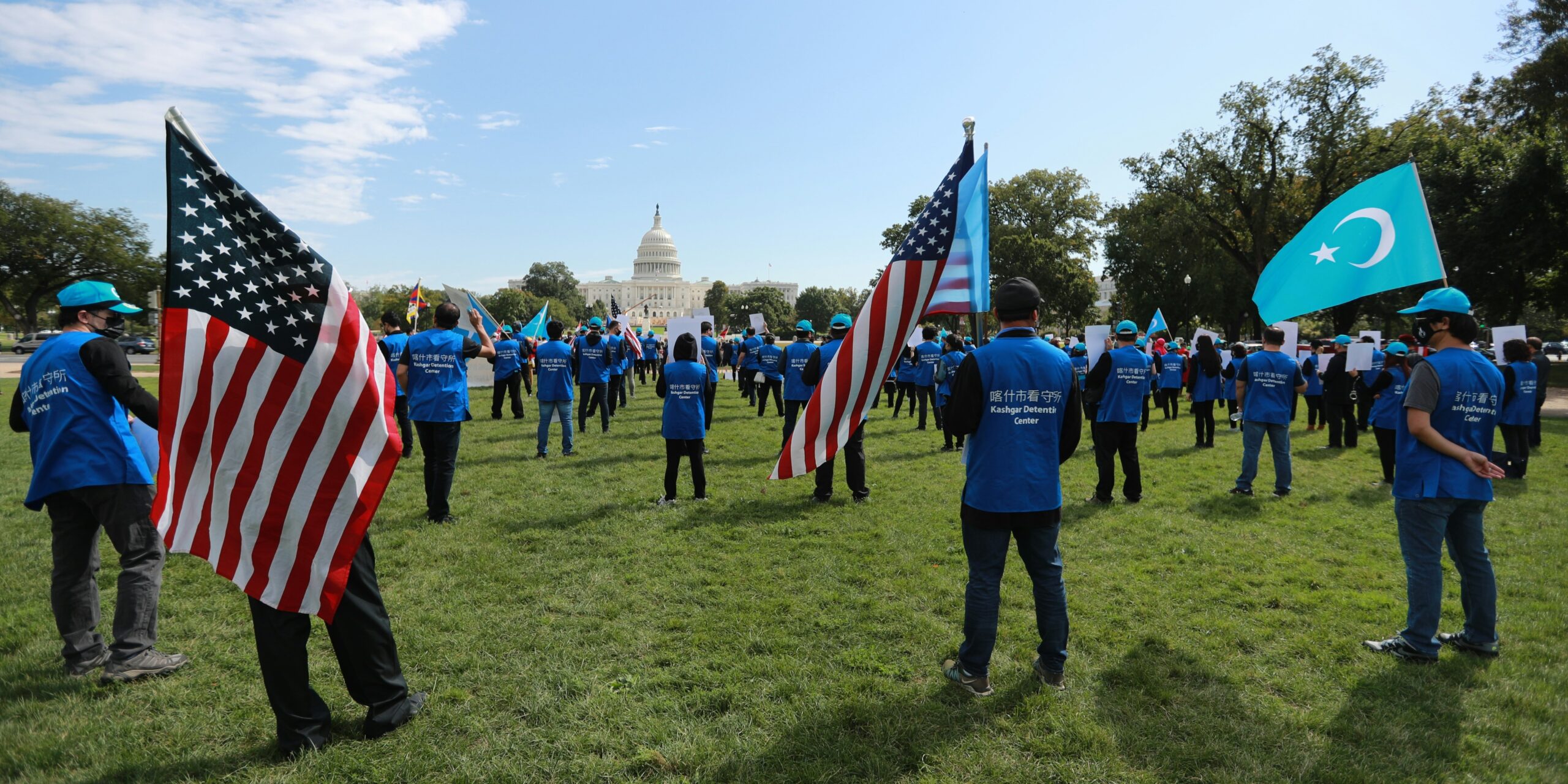
On January 20, 2026, a significant political demonstration known as the Free America Walkout took place across all 50 U.S. states. This coordinated event was organized by a coalition of activist groups, including the Women’s March, and called on Americans to leave their workplaces, schools, and everyday activities to engage in collective dissent. The walkout was scheduled to coincide with the anniversary of a presidential inauguration, adding an extra layer of political significance to the protest. By timing the event to this occasion, organizers sought to amplify their message and highlight their opposition to various government policies.
In major cities such as Washington, D.C., Los Angeles, New York, Chicago, and others, large numbers of participants walked out of their daily routines to make their voices heard. The demonstrations were diverse, with people from all walks of life coming together to express their dissatisfaction with the current political climate. This walkout was not limited to any one issue but was focused on a range of policies, with particular attention paid to government actions surrounding immigration enforcement. The walkout, in this context, was a powerful statement against what many saw as overreaching federal policies that negatively affected immigrants and marginalized communities.
The Free America Walkout was part of a broader wave of protests that had been gaining momentum earlier in the month, as Americans became increasingly vocal in their dissent against federal immigration actions. While the walkout itself took place on a single day, it represented a culmination of ongoing struggles and frustrations within many communities. For many activists, the walkout symbolized a refusal to accept the status quo and a call for a more compassionate and inclusive approach to immigration and other social issues.
Sociologists and event organizers worked together to collect participation data during the walkout, aiming to measure the scale and impact of the protest. By gathering data on who participated and where the demonstrations occurred, they hoped to gain insight into how widespread the movement was and what the public sentiment looked like across the country. This data would serve as a way to gauge the strength of public engagement and determine whether the Free America Walkout had succeeded in generating significant attention or spurring further action in the political landscape.
The event’s organizers emphasized the importance of collective action and solidarity, believing that when large groups of people come together to stand up for their beliefs, they can make a difference. For many, this walkout was not just about expressing frustration; it was also a way to reclaim agency in the political process and push for change. As participants gathered in public spaces, held signs, and spoke out about their causes, they created a visible and powerful representation of grassroots political engagement.
The Free America Walkout was more than a protest—it was a reminder of the strength of civil society and the power of ordinary people to mobilize and advocate for change. While the long-term impact of the walkout remains to be seen, its immediate success lies in its ability to unite people across the nation in a shared act of dissent. Whether or not the walkout led to specific political outcomes, it served as an important moment for Americans to reflect on the direction of the country and consider how they can continue to advocate for policies that align with their values and beliefs.
As the walkout came to a close, many participants were left with a sense of accomplishment, knowing that their actions had contributed to a broader conversation about the future of the nation. The event was a testament to the power of activism in shaping political discourse and demonstrating the strength of collective action in the face of perceived injustice.
