
U.S. Imposes 10% Tariff on Canadian Goods in Retaliation for Anti-Tariff Ad
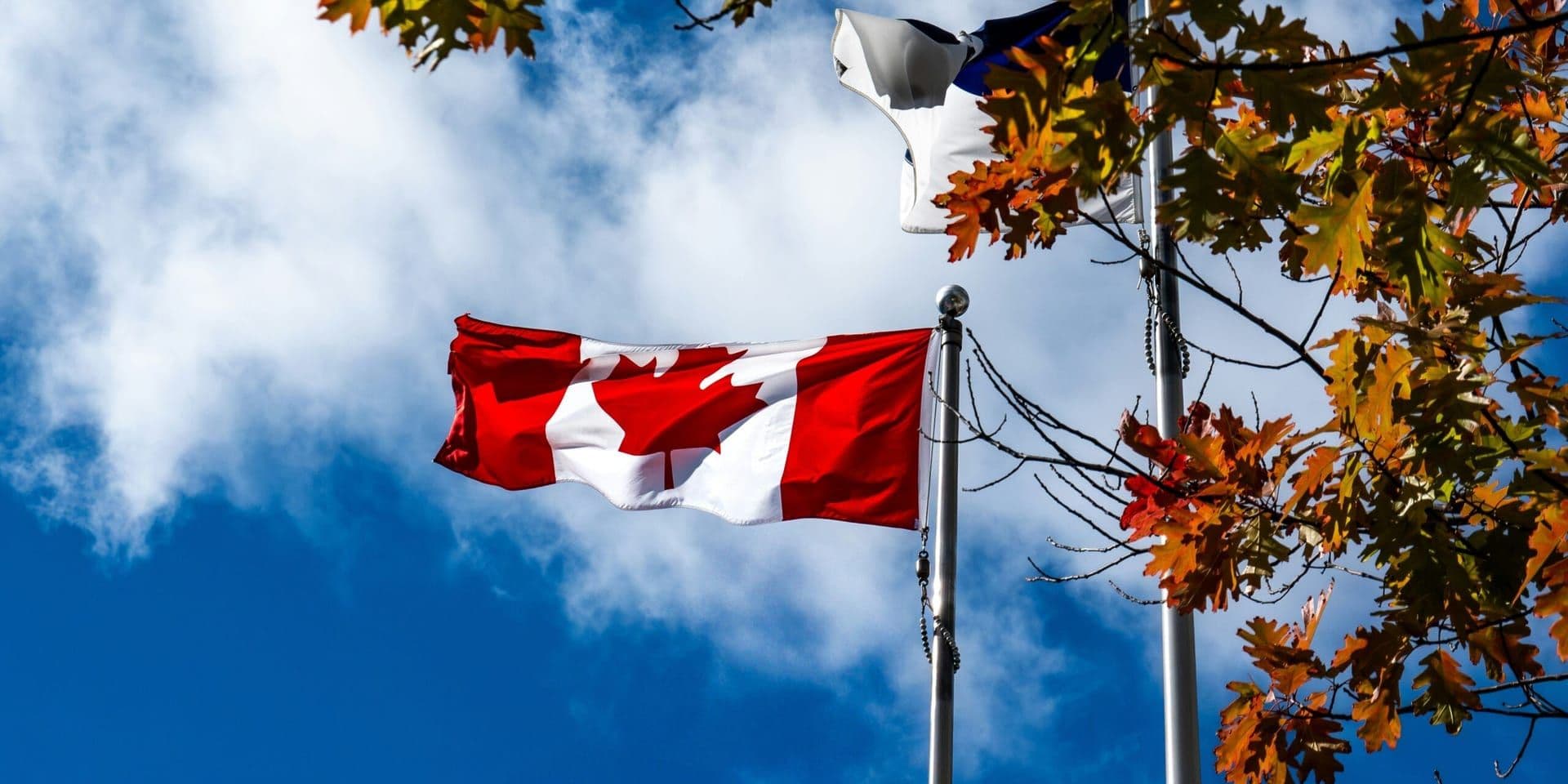
In a significant escalation of trade tensions, the United States announced on October 25, 2025, the imposition of a 10% tariff on Canadian goods. This decision came in direct retaliation for an anti-tariff advertisement sponsored by the Ontario government. The ad, which criticized the economic impact of tariffs and called for fairer trade practices, appears to have prompted the U.S. government to take a firm stand against what it perceives as an effort to influence its trade policy through public campaigns. This tariff imposition has the potential to reshape trade relations between the U.S. and Canada, two major economic partners, and to influence corporate law and policy on both sides of the border.
The U.S. has long had the authority to impose tariffs as part of its broader trade strategy, often leveraging such tools to protect domestic industries or retaliate against perceived unfair practices. In this case, the U.S. government saw the advertisement from the Ontario government as a form of economic warfare, which it viewed as an attempt to undermine U.S. trade policy. While the ad was intended to educate the public about the negative consequences of tariffs, including increased costs for consumers and disruptions in supply chains, it appears to have backfired, contributing to the imposition of new trade barriers instead.
From the perspective of corporate law, the 10% tariff represents a significant legal challenge for Canadian businesses that rely on exporting goods to the U.S. The new tariffs will likely lead to increased costs for Canadian manufacturers, who may face the difficult decision of absorbing the additional expenses or passing them on to consumers. For multinational corporations with operations in both countries, this tariff adds a layer of complexity to their trade strategies and contractual obligations. Companies may need to renegotiate terms with suppliers or customers and explore alternative markets to mitigate the effects of the tariff.
The Ontario government’s anti-tariff ad also raises important questions about the role of public campaigns in influencing national trade policy. While governments have always used public diplomacy and advocacy to promote their interests, the growing use of media campaigns in the political and economic spheres has blurred the lines between public opinion and formal state policy. This development challenges traditional notions of corporate law, especially when state-sponsored advertisements appear to directly influence trade relations and corporate operations. Legal experts may now begin to examine the boundaries of what constitutes lawful state involvement in public advocacy and whether such campaigns can legitimately trigger retaliatory actions from other nations.
This move by the U.S. could also have far-reaching implications for the trade agreements that bind the two countries, such as the United States-Mexico-Canada Agreement (USMCA). The tariff could strain ongoing negotiations or lead to calls for revisions in trade terms, particularly in areas related to dispute resolution, trade fairness, and tariffs. Canadian businesses, in particular, may seek legal recourse or request government intervention to shield their interests and mitigate the negative effects of the tariff.
In addition to its impact on businesses, the new tariff could fuel political and economic tensions between the U.S. and Canada. As both countries are heavily integrated into each other’s economies, any disruption in trade can have significant knock-on effects on industries ranging from agriculture to technology to manufacturing. The imposition of tariffs on Canadian goods could spark a series of retaliatory actions from Canada, as well as from other nations who view the move as a form of protectionism. International observers will be closely monitoring this development, as it may signal a new era of trade disputes marked by heightened political maneuvering and economic protectionism.
For companies operating in both the U.S. and Canada, the immediate consequences of this tariff may involve reevaluating their supply chains, pricing models, and customer contracts. Businesses will likely face legal challenges related to price adjustments, delivery schedules, and potential disputes with clients or partners. Multinational corporations will need to navigate the complexities of international trade law, ensuring compliance with both U.S. and Canadian regulations while mitigating the financial impact of the tariff. At the same time, they will need to remain vigilant about the potential for further retaliatory measures, which could further disrupt trade flows.
This development could also set a new precedent in international trade law, particularly regarding the influence of public campaigns on trade policy. If other nations follow Ontario’s lead and use similar media campaigns to affect trade decisions, it could lead to more aggressive forms of retaliatory action, further complicating international trade relations. Legal scholars will be paying close attention to this case, as it may provide important insights into how public diplomacy and economic interests intersect in the modern world of global trade.
In conclusion, the imposition of a 10% tariff on Canadian goods is a clear signal that the United States will not tolerate what it perceives as efforts to undermine its trade policies through public campaigns. This decision underscores the growing role that corporate law, international trade policy, and public relations play in shaping the global economy. For both the U.S. and Canada, this move may be the beginning of a new era of trade tensions, with significant legal, economic, and diplomatic consequences that will be felt across industries and borders for years to come.

Juris Review Contributor
Covers corporate law and the profession itself, from deal work to the attorneys building the practice.
This article features partner, contributor, or branded content from a third party. Members of the Juris Review editorial staff were not involved in the creation of this content. All views and opinions are those of the contributor alone.