
U.S. Supreme Court Concludes April Argument Session, Setting Stage for Key Summer Decisions
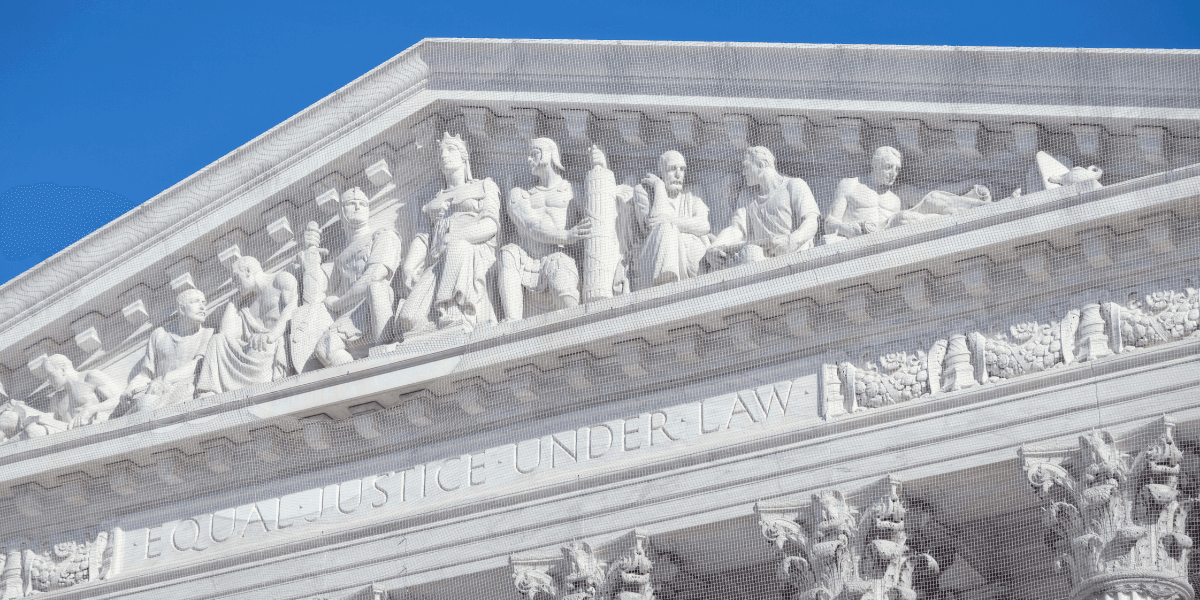
On April 30, 2026, the Supreme Court of the United States concluded its final scheduled day of oral arguments for the current term, marking a pivotal transition from deliberation to decision-making. While the day itself did not feature a single headline-dominating ruling, it represents a critical procedural milestone in the Court’s annual cycle—one that carries significant implications for legal practitioners, policymakers, and the broader public.
Closing of Oral Arguments
Each year, the Supreme Court hears oral arguments from October through April, after which the justices spend several months finalizing opinions on the cases argued. The April 30 session effectively closes the argument calendar for the term, signaling that no new cases will be heard until the next term begins in October.
Legal analysts note that this period is particularly consequential because it precedes the Court’s busiest decision window. Historically, the majority of high-impact rulings are released in May and June, often addressing complex legal questions involving federal statutes, administrative law, and constitutional interpretation.
The Cases at Stake
Although the Court did not issue rulings on April 30 itself, the docket leading into this final session included a range of cases with potential nationwide implications. These cases span issues such as regulatory authority, corporate liability, and procedural standards in federal courts.
For example, several argued cases this term examine the scope of federal agencies’ authority under existing statutes—a topic that continues to shape administrative law. Others focus on corporate compliance obligations and the interpretation of federal securities regulations, areas closely watched by business leaders and legal professionals alike.
Importantly, the justices’ questioning during oral arguments in recent weeks has offered early insight into how the Court may approach these issues. However, as is typical, no definitive conclusions can be drawn until written opinions are formally released.
Institutional Significance
The conclusion of oral arguments is more than a procedural marker; it reflects the Court’s structured approach to managing a limited docket while addressing complex legal disputes. The Court hears fewer than 100 cases annually, selecting those that present substantial federal questions or conflicts among lower courts.
This deliberate process underscores the Court’s role in ensuring uniformity in federal law. By resolving disagreements among appellate courts, the justices provide clarity that guides lower courts, attorneys, and litigants across the country.
From a legal practice standpoint, the period following April arguments is one of heightened anticipation. Law firms, corporate legal departments, and public interest organizations closely monitor upcoming decisions to assess potential impacts on compliance strategies and litigation risk.
Implications for the Legal Community
For attorneys and legal scholars, the weeks following April 30 are critical for preparation. Anticipated rulings may influence ongoing cases, regulatory frameworks, and contractual practices. In particular:
- Corporate law practitioners are watching for decisions that could affect disclosure requirements, liability standards, or enforcement mechanisms.
- Litigators are preparing for shifts in procedural rules or evidentiary standards that may arise from pending cases.
- Regulatory specialists are assessing how forthcoming opinions might redefine the boundaries of agency authority.
The Court’s decisions often have ripple effects that extend well beyond the immediate parties involved, shaping legal doctrine for years to come.
Transparency and Public Access
In recent years, the Supreme Court has taken steps to increase public access to its proceedings, including the release of same-day audio recordings of oral arguments. While the Court does not allow live video coverage, these measures have enhanced transparency and public understanding of judicial processes.
As the Court transitions into its decision phase, written opinions will be published on its official website, accompanied by summaries that help contextualize complex legal reasoning. These documents serve as authoritative references for courts and practitioners nationwide.
Looking Ahead
With the argument phase now complete, attention turns to the Court’s forthcoming opinions. Decisions are expected to be released incrementally over the next two months, culminating in late June or early July when the term officially concludes.
Observers anticipate that several rulings may clarify longstanding legal ambiguities or address emerging issues in federal law. While the specific outcomes remain uncertain, the Court’s role in shaping the legal landscape is unmistakable.
Key Takeaways
- April 30, 2026, marks the end of oral arguments for the Supreme Court’s current term.
- The Court will now focus on issuing decisions, many of which are expected in May and June.
- Pending cases involve significant questions related to administrative authority, corporate law, and federal procedure.
- Legal professionals should closely monitor upcoming rulings for potential impacts on practice and policy.
In sum, while April 30 did not produce immediate headline rulings, it represents a crucial turning point in the judicial calendar—one that sets the stage for decisions likely to influence American law in meaningful ways.

Juris Review Contributor
Covers the Supreme Court and the federal bench, reading the opinions and what they change.
This article features partner, contributor, or branded content from a third party. Members of the Juris Review editorial staff were not involved in the creation of this content. All views and opinions are those of the contributor alone.