
U.S. Supreme Court to Review Scope of Title IX Protections for University Employees
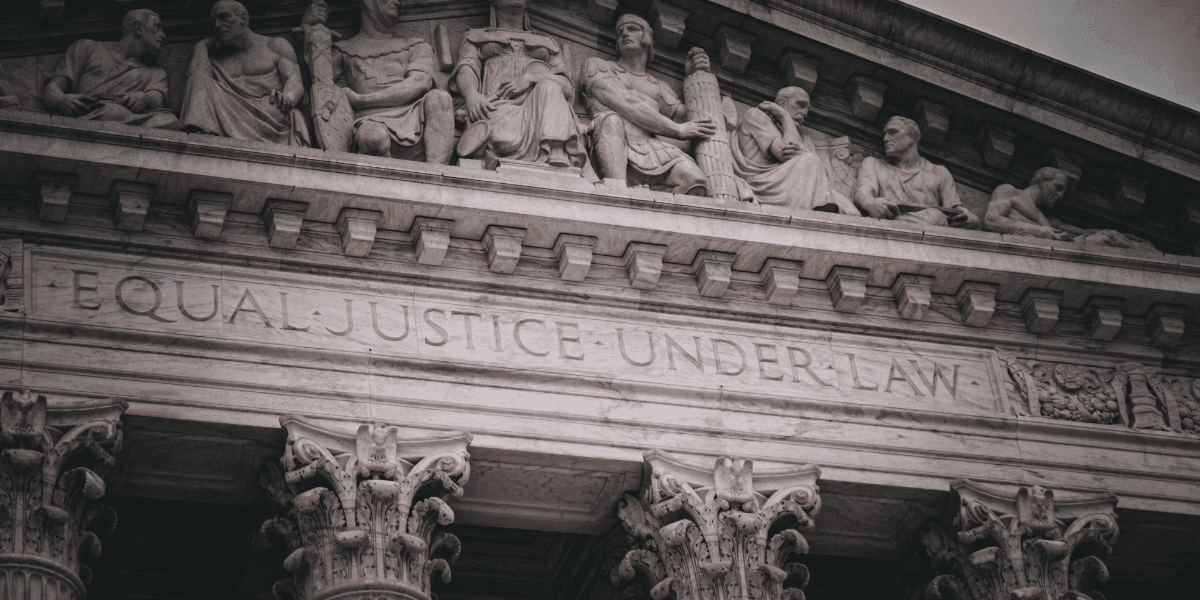
The U.S. Supreme Court announced on May 18, 2026, that it will hear a closely watched case involving whether employees at federally funded educational institutions may sue under Title IX for workplace sex discrimination. The decision to take up the case could have far-reaching implications for universities, employees, and the interpretation of federal civil rights law across the United States.
The case centers on a growing disagreement among federal appeals courts regarding the scope of Title IX of the Education Amendments of 1972, a landmark statute best known for prohibiting sex discrimination in educational programs that receive federal funding. While Title IX has traditionally been associated with student rights and athletics, the upcoming Supreme Court review will examine whether the law also provides a private legal remedy for employees alleging discrimination by educational institutions.
The dispute arises from lawsuits filed by two former university employees in Georgia: Thomas Crowther, a former art professor at Augusta University, and MaChelle Joseph, a former women’s basketball coach at Georgia Tech. Both plaintiffs alleged sex-based discrimination and retaliation by their employers. Their claims were dismissed by the U.S. Court of Appeals for the Eleventh Circuit, which ruled that Title IX does not authorize employees to sue for employment discrimination because such claims are instead governed by Title VII of the Civil Rights Act of 1964.
That ruling conflicts with decisions from several other federal appellate courts that have permitted employees to pursue Title IX claims against educational institutions. The split among the circuits has created differing legal standards depending on geographic jurisdiction, prompting calls for clarification from the nation’s highest court.
Legal analysts say the Supreme Court’s decision to hear the case reflects the broader significance of the issue for higher education institutions nationwide. Colleges and universities that receive federal funding operate under both Title VII and Title IX obligations, but the two laws differ in important ways. Title VII requires employees to first file complaints with the Equal Employment Opportunity Commission before proceeding to court and imposes certain procedural limitations. Title IX claims, by contrast, may allow plaintiffs to bypass some administrative hurdles and pursue broader damages in certain jurisdictions.
At the center of the legal debate is congressional intent. Supporters of the employees’ position argue that Title IX’s broad prohibition against sex discrimination should naturally extend to employees working within federally funded educational programs. They point to prior Supreme Court precedent recognizing implied private rights of action under Title IX and contend that excluding employees would undermine the statute’s anti-discrimination objectives.
Opponents, including some universities and legal scholars, argue that employment discrimination claims were specifically addressed by Title VII and that Congress did not intend for Title IX to serve as a parallel employment law. They warn that allowing overlapping claims could create inconsistent legal standards and increase litigation exposure for educational institutions.
The Supreme Court’s review also arrives amid heightened national attention on the responsibilities and liabilities of universities under federal civil rights laws. Educational institutions have faced increasing scrutiny in recent years over issues involving athletics, faculty conduct, workplace equity, campus investigations, and institutional compliance procedures. A definitive ruling from the Court could reshape how universities structure internal policies, investigate complaints, and defend against discrimination lawsuits.
For university employees, the outcome may determine the legal avenues available for pursuing workplace discrimination claims. If the Court ultimately recognizes a private right of action for employees under Title IX, faculty members, coaches, administrators, and other staff at federally funded schools could gain an additional legal mechanism for bringing sex discrimination lawsuits. Conversely, a ruling limiting such claims to Title VII could reinforce existing procedural requirements and narrow the scope of available remedies.
The Court’s decision to hear the case does not resolve the underlying legal issue, but it signals that the justices consider the circuit split significant enough to warrant national clarification. Oral arguments are expected during the Court’s upcoming term, with a ruling likely in 2027.
Legal observers will closely watch how the Court approaches the relationship between Title IX and Title VII, particularly given the current judiciary’s broader interest in statutory interpretation and administrative boundaries. The ruling could ultimately influence not only employment litigation in higher education but also the future interpretation of federal anti-discrimination laws more broadly.
Universities, attorneys, compliance officers, and employee advocacy groups are expected to monitor the proceedings carefully as the case advances. Regardless of the outcome, the Supreme Court’s review marks one of the most consequential education-law developments of the year and may establish an important precedent for workplace discrimination claims within federally funded institutions.

Juris Review Contributor
Covers the Supreme Court and the federal bench, reading the opinions and what they change.
This article features partner, contributor, or branded content from a third party. Members of the Juris Review editorial staff were not involved in the creation of this content. All views and opinions are those of the contributor alone.