Copyright Clinic Opens Doors for Independent Creators
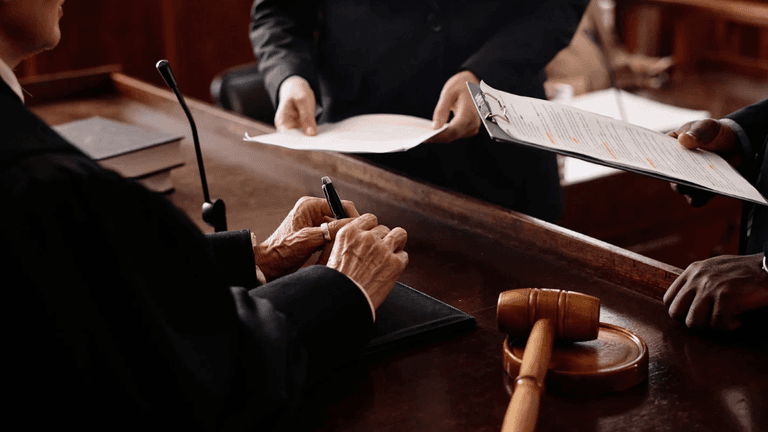
Copyright Clinic connects creators with experienced attorneys through private video consultations, making specialized legal guidance more accessible.
Picture a songwriter who finishes a track late at night and uploads it before dawn. By morning, a question is nagging at her. Did that sample need clearance? Could someone else reuse her melody without permission? She knows she needs a copyright attorney, but she does not know where to begin. Law firm websites feel built for corporations, and the idea of a retainer feels out of reach.
This quiet uncertainty is familiar to countless independent creators. Musicians, filmmakers, photographers, and writers can now produce and share original work faster than at any point in history. Yet the path to qualified legal counsel has not kept pace. Copyright Clinic was built to close that distance.
Why a Copyright Attorney Can Feel Out of Reach
Digital platforms, social media, and AI-generated content have made the creative landscape richer and far more complicated. A photographer may wonder who owns an image that circulates widely online. A filmmaker may question how to license footage. A writer may worry about how generative tools affect the protection of original work.
Established businesses and well-funded clients have long enjoyed access to specialized copyright counsel. Independent creators, by contrast, often face a difficult choice. They can pay what feels like a prohibitive amount for a first conversation, or they can rely on forum threads and guesswork. Neither option inspires confidence.
That gap is the observation at the heart of Copyright Clinic. Technology has democratized creation and distribution. Access to experienced legal guidance, the company argues, should follow.
A Simple Idea: Live Video With Real Attorneys
Cassius Titus, an Entertainment Technology Product Attorney with over 25 years experience and Founder of Copyright Clinic, built the platform around a direct premise. Creators should be able to speak with an experienced copyright attorney privately, on their own schedule, and with clear expectations about cost.
Available on iOS and Android, the app offers scheduled 30-minute video consultations at a fixed fee. There are no mysterious billing increments and no open-ended meters running in the background. A creator knows the format and the price before the call begins.
The consultations are private and live. Instead of exchanging a string of emails over several days, a creator can explain a situation face to face, ask follow-up questions, and listen to an attorney respond in real time. For people who often work alone, that human connection matters as much as the information itself.
What Sets Copyright Clinic Apart
Many legal services follow a familiar pattern: an inquiry, a referral, and then a wait. Copyright Clinic is designed to avoid that sequence. The platform connects users with a copyright attorney by live video, and an attorney may be available the same day and even the same hour the creator requests.
This distinction carries real benefits. A creator facing a pending release date, a platform dispute, or a licensing decision rarely has weeks to spare. Shorter waits can mean clearer choices made at the moment they matter most. Fewer handoffs also mean creators spend less time repeating their story to a series of intermediaries.
Transparency is the other pillar. A fixed fee removes a common source of anxiety, the fear that a quick question will turn into an unpredictable bill. Creators can plan their budgets, prepare their questions, and walk into the conversation focused on their work rather than on the meter.
Harold and the Role of Technology
Technology plays a supporting role in the Copyright Clinic experience, and the company is careful about where that role ends. Harold, the platform's AI-powered assistant, helps users determine whether their concerns involve copyright law. If a question belongs in that territory, Harold guides the user through scheduling a consultation.
Harold does not practice law. Legal advice is provided exclusively by the participating attorneys on the platform. That separation is deliberate. The assistant handles the front door, screening inquiries and smoothing the path to an appointment, while qualified attorneys handle the counsel itself.
This arrangement serves both sides of the conversation. Creators spend less time wondering whether they are in the right place. Attorneys meet clients whose questions fit their specialty, which makes each 30-minute session more focused and more useful.
Built for the Creator Economy
The creator economy has changed who gets to be a professional. A musician can build an audience without a label. A photographer can sell prints without a gallery. A filmmaker can premiere a short film without a studio. Each of these creators owns intellectual property of real value, often without a legal team to protect it.
Copyright Clinic speaks directly to that reality. Its audience includes independent creators, musicians, filmmakers, photographers, and other creative professionals who may never have worked with an attorney before. For first-time clients, the approachable format, the clear fee, and the private setting lower the barrier to asking questions that might otherwise go unasked.
The company's mission follows from this. By offering convenient, transparent, and affordable access to experienced attorneys, Copyright Clinic aims to place specialized expertise within reach of people whose work depends on it. The goal is not to replace thoughtful legal counsel. It is to make that counsel easier to find and easier to approach.
A Different Way to Think About Legal Help
Perhaps the most notable aspect of Copyright Clinic is how it reframes the experience of seeking legal help. Traditionally, speaking with an attorney felt like a major event, something to postpone until a problem became serious. A short, scheduled consultation invites a different habit. Creators can ask questions earlier, understand their position sooner, and make informed decisions about their work.
That shift reflects the broader promise of legal technology. When scheduling, screening, and communication become simpler, experienced professionals can spend their time doing what they do best: helping clients understand their rights and options.
For the songwriter at midnight, the filmmaker preparing a festival submission, or the photographer weighing a licensing offer, the value is clarity. A focused conversation with an experienced copyright attorney can turn a vague worry into a defined next step.
Explore Copyright Clinic
Creators who work for a living, or hope to, are invited to learn more about how Copyright Clinic works. The app is available on iOS and Android, where Harold can help determine whether a question fits and where scheduling options for a private video consultation with an experienced copyright attorney can be reviewed. Questions about music, film, photography, or writing are welcome, and a fixed-fee conversation may help creators protect the work they have worked so hard to make.

Juris Review Contributor
Covers legal news and the politics of the law, following legislation, enforcement, and the debate around both.
This article features partner, contributor, or branded content from a third party. Members of the Juris Review editorial staff were not involved in the creation of this content. All views and opinions are those of the contributor alone.